Johny Marice
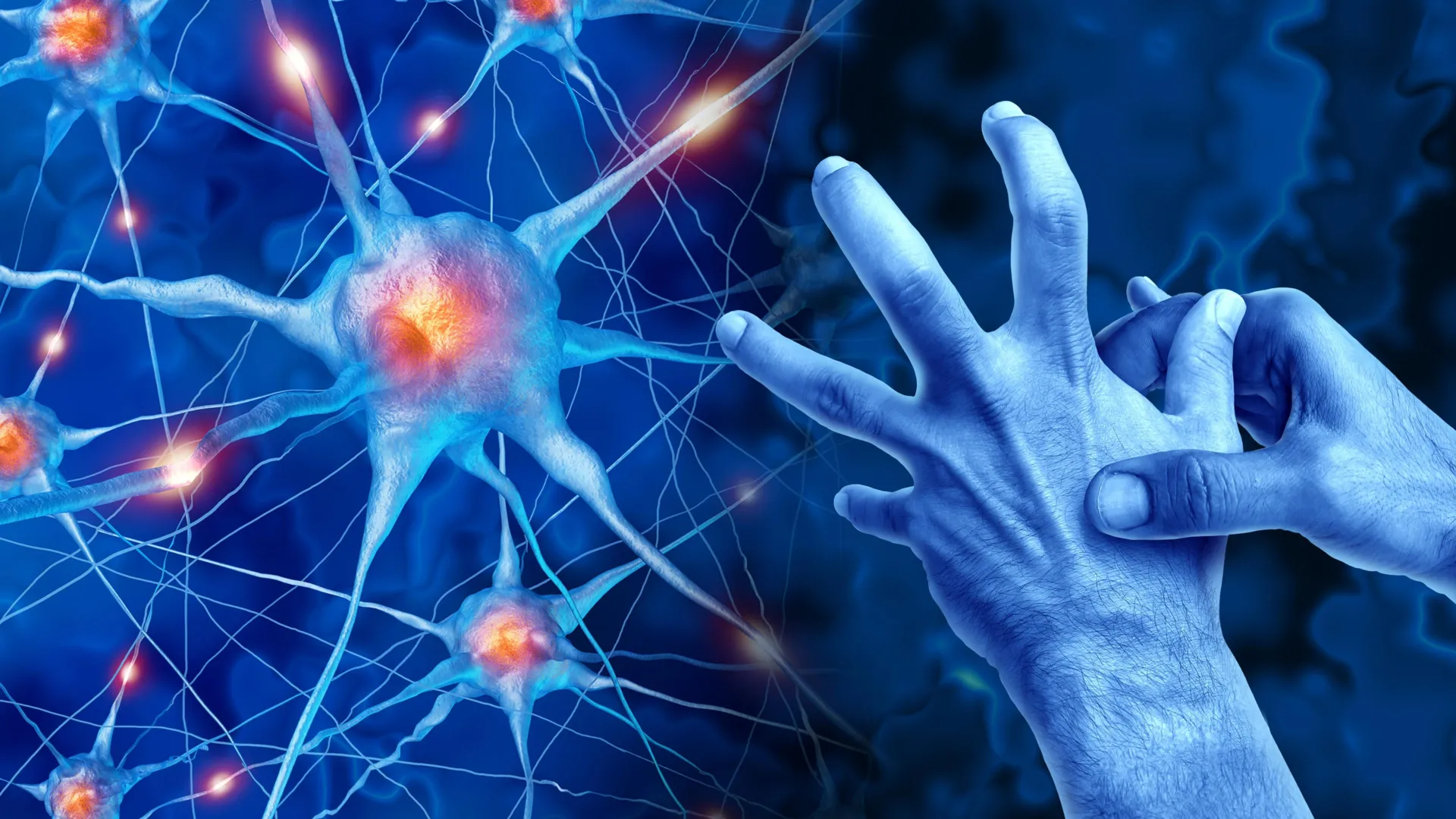
Tiny fragments of plastic known as microplastics may be contributing to neurodegenerative conditions such as Alzheimer’s and Parkinson’s disease. A new study outlines five biological mechanisms through which these particles may trigger inflammation and damage in the brain.
The escalating global burden of dementia, which currently affects over 57 million individuals worldwide, is projected to rise significantly in the coming years, with Alzheimer’s and Parkinson’s disease at the forefront of this increase. The emerging scientific understanding that microplastics could exacerbate or accelerate the progression of these debilitating disorders has ignited serious public health concerns among researchers and medical professionals alike. This potential link underscores a critical environmental and health nexus that demands urgent attention and further investigation.
The Pervasive Presence of Microplastics in Daily Life
Pharmaceutical scientist Associate Professor Kamal Dua of the University of Technology Sydney (UTS) provided a stark estimation of annual microplastic consumption, suggesting that the average adult ingests approximately 250 grams of these particles each year. This quantity, he noted, is roughly equivalent to the amount of material needed to cover a standard dinner plate, illustrating the substantial and often unnoticed influx of plastic into our bodies.
"We ingest microplastics from a wide range of sources including contaminated seafood, salt, processed foods, tea bags, plastic chopping boards, drinks in plastic bottles and food grown in contaminated soil, as well as plastic fibers from carpets, dust and synthetic clothing," Professor Dua explained, highlighting the ubiquitous nature of these contaminants across various dietary and environmental pathways.
The common types of plastics identified in this pervasive contamination include polyethylene, polypropylene, polystyrene, and polyethylene terephthalate (PET). While the human body possesses mechanisms to clear the majority of ingested microplastics, accumulating evidence from scientific studies indicates that these particles can indeed lodge and concentrate in vital organs, including the brain. This accumulation is a key concern, as it suggests a potential for ongoing biological interaction and damage within sensitive tissues.
Unveiling the Mechanisms of Brain Damage: A New Study
A comprehensive systematic review, published in the esteemed journal Molecular and Cellular Biochemistry, has shed new light on the potential pathways through which microplastics exert their harmful effects on the brain. This groundbreaking research was the product of an extensive international collaboration, spearheaded by scientists from the University of Technology Sydney and Auburn University in the United States.
The researchers meticulously identified five critical biological pathways that may facilitate microplastic-induced harm to the brain. These mechanisms include:
- Activation of Immune Cells: Microplastics can trigger the brain’s innate immune system, leading to chronic inflammation.
- Increased Oxidative Stress: These particles can disrupt the delicate balance of reactive oxygen species (ROS) within brain cells, leading to cellular damage.
- Disruption of the Blood-Brain Barrier (BBB): Microplastics can compromise the integrity of the BBB, a crucial protective layer that regulates the passage of substances into the brain.
- Mitochondrial Dysfunction: The energy-producing powerhouses of cells, mitochondria, can be impaired by microplastic exposure, leading to energy deficits.
- Direct Neuronal Damage: Microplastics may directly inflict damage upon neurons, the fundamental units of the nervous system.
Associate Professor Dua elaborated on the critical role of the blood-brain barrier in this process. "Microplastics actually weaken the blood-brain barrier, making it leaky. Once that happens, immune cells and inflammatory molecules are activated, which then causes even more damage to the barrier’s cells," he stated. This creates a vicious cycle where initial damage leads to further compromised defenses and escalating inflammation.
The body’s response to microplastics often involves treating them as foreign invaders, which prompts the brain’s immune cells, such as microglia, to engage in defense mechanisms. This immune response, coupled with stress from other toxins or environmental pollutants, can lead to a state of heightened oxidative stress. "The body treats microplastics as foreign intruders, which prompts the brain’s immune cells to attack them. When the brain is stressed by factors like toxins or environmental pollutants this also causes oxidative stress," Professor Dua added.
The Dual Threat of Oxidative Stress and Cellular Energy Disruption
The study delves deeper into how microplastics contribute to oxidative stress, identifying two primary mechanisms. Firstly, they elevate the levels of reactive oxygen species (ROS). These unstable molecules, often referred to as free radicals, can inflict significant damage on cellular components, including DNA, proteins, and lipids. Secondly, microplastics appear to undermine the body’s natural antioxidant defenses. These defense systems are crucial for neutralizing ROS and maintaining cellular health. When these defenses are weakened, the imbalance favors oxidative damage, creating a pro-inflammatory and degenerative environment within the brain.
Furthermore, the research highlights the detrimental impact of microplastics on cellular energy production. Mitochondria, responsible for generating adenosine triphosphate (ATP)—the primary energy currency of cells—can be directly affected. "Microplastics also interfere with the way mitochondria produce energy, reducing the supply of ATP, or adenosine triphosphate, which is the fuel cells need to function," explained Associate Professor Dua. "This energy shortfall weakens neuron activity and can ultimately damage brain cells." The cumulative effect of these pathways is a significant increase in brain damage, as they often interact synergistically. "All these pathways interact with each other to increase damage in the brain," he emphasized.
Implications for Alzheimer’s and Parkinson’s Disease Pathologies
Beyond general brain damage, the review suggests specific links between microplastic exposure and the characteristic pathologies of major neurodegenerative diseases. In the context of Alzheimer’s disease, microplastics may promote the abnormal accumulation of beta-amyloid plaques and tau tangles, the hallmark protein aggregates associated with cognitive decline. For Parkinson’s disease, the research indicates that microplastics could potentially encourage the aggregation of alpha-synuclein protein and directly harm dopaminergic neurons, the nerve cells that are progressively lost in this condition.
Ongoing Research and Future Directions
The current study builds upon a growing body of research investigating the pervasive impact of microplastics on human health. The first author of the UTS-led review, Alexander Chi Wang Siu, a Master of Pharmacy student at UTS, is currently engaged in laboratory work at Auburn University under the guidance of Professor Murali Dhanasekaran. His collaboration with co-authors Associate Professor Dua, Dr. Keshav Raj Paudel, and Distinguished Professor Brian Oliver from UTS aims to further elucidate the intricate mechanisms by which microplastics affect brain cell function.
Earlier research from UTS has already explored the pathways of microplastic entry into the human body, specifically examining how these particles are inhaled and where they settle within the respiratory system. Dr. Paudel, a visiting scholar in the UTS Faculty of Engineering, is actively involved in studying the potential health implications of inhaled microplastics on lung health, demonstrating a multi-disciplinary approach to understanding the broad impact of plastic pollution.
Proactive Measures for Reducing Microplastic Exposure
While the current evidence strongly suggests that microplastics could contribute to the worsening of conditions like Alzheimer’s and Parkinson’s, the authors of the study underscore the critical need for additional research to definitively establish a direct causal link. Nevertheless, they are advocating for immediate and practical steps individuals can take to reduce their daily exposure to these pervasive pollutants.
Dr. Paudel offered actionable advice: "We need to change our habits and use less plastic. Steer clear of plastic containers and plastic cutting boards, don’t use the dryer, choose natural fibers instead of synthetic ones and eat less processed and packaged foods." These recommendations emphasize a shift towards more sustainable practices and mindful consumption.
The researchers express hope that their findings will serve as a catalyst for informing and guiding environmental policies. Their ultimate goal is to encourage a concerted effort towards reducing overall plastic production, enhancing waste management infrastructure, and mitigating the long-term health risks associated with widespread plastic pollution. The implications of this research extend beyond individual actions, calling for systemic changes in manufacturing, consumption, and waste disposal to protect both planetary and human health.
The scientific community is increasingly recognizing microplastics not merely as an environmental nuisance but as a potential public health crisis with far-reaching consequences. The pathways identified in this study offer a critical framework for understanding how these ubiquitous particles may be silently impacting the most vital organ in the human body, demanding a global response to address the pervasive threat of plastic pollution. Further epidemiological studies and in-depth toxicological investigations will be crucial in quantifying the precise contribution of microplastics to the rising tide of neurodegenerative diseases.