Nila Kartika Wati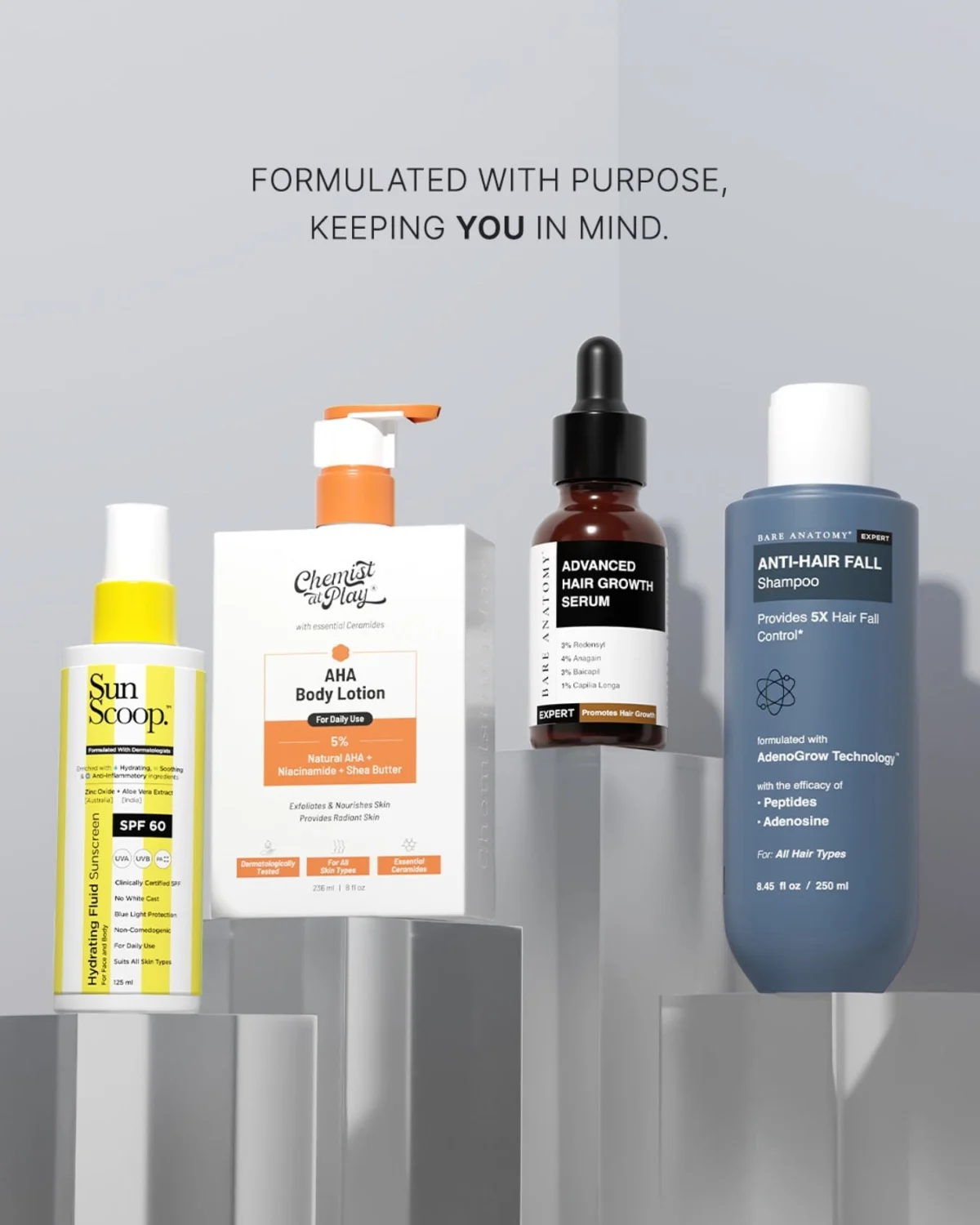
Global beauty giant L’Oréal is reportedly in advanced negotiations to acquire a majority stake in Innovist, the parent company behind the burgeoning Indian direct-to-consumer (DTC) beauty brands Bare Anatomy, Sun Scoop, and Chemist at Play. The Economic Times India first reported the development, citing sources familiar with the matter. This potential acquisition signifies a significant strategic move by L’Oréal to deepen its presence in the rapidly expanding and increasingly sophisticated Indian beauty market, particularly within the digitally native and personalized beauty segments that Innovist has successfully cultivated.
Strategic Pivot Towards Digital-First and Personalized Beauty
The reported discussions underscore L’Oréal’s ongoing commitment to adapting its global strategy to embrace the evolving consumer landscape. In recent years, the beauty industry has witnessed a seismic shift towards e-commerce and a growing demand for personalized products. Innovist, with its portfolio of brands catering to specific consumer needs through direct engagement and data-driven product development, represents an attractive target for a multinational corporation seeking to integrate such agile, digitally-native capabilities into its established operations.
Innovist, founded by Rohit Chawla, Vibhuti Chawla, and Sanchit Narasimhan, has carved out a niche by focusing on science-backed, ingredient-conscious formulations and a strong emphasis on direct consumer interaction. Bare Anatomy, its flagship brand, is renowned for its customizable hair care and skincare solutions, allowing consumers to tailor products to their specific concerns. Sun Scoop offers a range of sunscreens with innovative formulations, addressing a growing awareness of sun protection in the Indian market. Chemist at Play focuses on creating functional skincare products with active ingredients. The collective success of these brands points to a deep understanding of contemporary consumer preferences in India, which often prioritize efficacy, transparency, and a personalized approach over traditional mass-market offerings.
The Indian Beauty Market: A Landscape of Rapid Growth and Digital Adoption
India’s beauty and personal care market is one of the fastest-growing globally, fueled by a rising disposable income, increasing urbanization, and a young, digitally-savvy population. The market was estimated to be worth approximately $15 billion in 2022 and is projected to grow at a compound annual growth rate (CAGR) of over 10% in the coming years. A significant driver of this growth is the proliferation of e-commerce platforms and the increasing comfort of Indian consumers with online purchasing.
The DTC model, exemplified by Innovist, has been particularly instrumental in this digital transformation. DTC brands often leverage social media marketing, influencer collaborations, and direct customer feedback loops to build brand loyalty and drive sales. This approach allows for greater agility in product development and marketing, enabling brands to respond quickly to emerging trends and consumer demands. L’Oréal, while a dominant player in the traditional retail space, has also been actively investing in its digital capabilities and exploring acquisitions that enhance its online and DTC presence. The potential acquisition of Innovist aligns perfectly with this broader strategic objective, allowing L’Oréal to gain immediate access to a proven DTC infrastructure, a loyal customer base, and a portfolio of brands that resonate with the modern Indian consumer.
A Chronology of Innovist’s Ascent
Innovist’s journey began with the establishment of Bare Anatomy in 2019. The company quickly gained traction by focusing on personalized hair care solutions, a segment that had historically been underserved by mass-market brands. Leveraging a digital-first approach, Bare Anatomy allowed consumers to undergo online consultations and receive customized product recommendations. This direct engagement model fostered strong customer loyalty and provided invaluable data for product innovation.
Following the success of Bare Anatomy, Innovist expanded its portfolio by launching Sun Scoop in 2021, addressing the critical need for effective sun protection in a country where awareness has been growing but product accessibility and understanding remained a challenge. Sun Scoop’s innovative formulations and clear communication around SPF and UV protection resonated with health-conscious consumers.
In the same year, Chemist at Play was introduced, focusing on the burgeoning demand for functional skincare powered by potent active ingredients. This brand tapped into the growing consumer interest in ingredient-led beauty and the desire for targeted solutions for specific skin concerns.
Innovist’s growth trajectory has been impressive, demonstrating its ability to identify market gaps and develop brands that effectively address them. The company has attracted significant investment from venture capital firms, signaling strong investor confidence in its business model and market potential. This financial backing has enabled Innovist to scale its operations, invest in research and development, and expand its reach across India.
L’Oréal’s Strategic Rationale and Market Implications
For L’Oréal, acquiring a majority stake in Innovist offers several compelling advantages. Firstly, it provides a direct pathway into the rapidly growing DTC beauty segment in India, allowing the company to capture a larger share of the market’s digital-native consumers. Secondly, Innovist’s brands offer a complementary portfolio that can be integrated into L’Oréal’s existing distribution channels while also retaining their distinct identities and direct consumer engagement models. This dual approach could allow L’Oréal to cater to a broader spectrum of consumers, from those who prefer traditional retail experiences to those who are exclusively online shoppers.
Furthermore, the acquisition would grant L’Oréal access to Innovist’s proprietary technology and data analytics capabilities, which are crucial for personalized product development and targeted marketing. In an era where consumer preferences are highly dynamic, the ability to leverage data to understand and anticipate needs is a significant competitive advantage.
The move also reflects a broader trend of multinational beauty conglomerates seeking to acquire agile, digitally-native brands to stay ahead of market shifts. Companies like Estée Lauder, Unilever, and Procter & Gamble have all engaged in similar acquisition strategies in recent years, recognizing the value of innovation and direct consumer relationships that these smaller, more agile players often embody.
The potential implications of this deal extend beyond L’Oréal and Innovist. It could signal increased investment and consolidation within the Indian beauty startup ecosystem. Other DTC brands may find themselves in a stronger negotiating position or face increased competition from established players looking to replicate L’Oréal’s success. For consumers, the acquisition could lead to wider availability of Innovist’s popular brands, potentially with enhanced product offerings and more integrated customer service experiences, leveraging L’Oréal’s global resources and expertise.
Industry Reactions and Future Outlook
While neither L’Oréal nor Innovist have officially commented on the reported acquisition talks, the news has generated considerable interest within the beauty industry. Analysts suggest that such a move would be a logical step for L’Oréal, given the dynamism of the Indian market and the success of Innovist’s brands.
"L’Oréal has been strategically expanding its presence in emerging markets, and India represents a significant growth opportunity," commented [Fictional Analyst Name], a senior beauty industry analyst at [Fictional Research Firm]. "Acquiring a company like Innovist, which has a strong digital footprint and a portfolio of highly relevant brands, would allow L’Oréal to accelerate its growth in the personalized and DTC beauty segments, areas where consumer engagement is paramount."
The finalization of the deal, if it proceeds, would be a significant event, marking a substantial investment by a global beauty titan into a homegrown Indian beauty innovator. It would underscore the increasing importance of India as a hub for beauty innovation and a key market for global beauty brands. The success of this potential integration could set a precedent for future collaborations and acquisitions in the region, further shaping the future of the beauty landscape in India and beyond. The coming weeks and months will likely see further developments as negotiations progress, with the industry keenly watching the outcome of this potentially transformative acquisition.