Nila Kartika Wati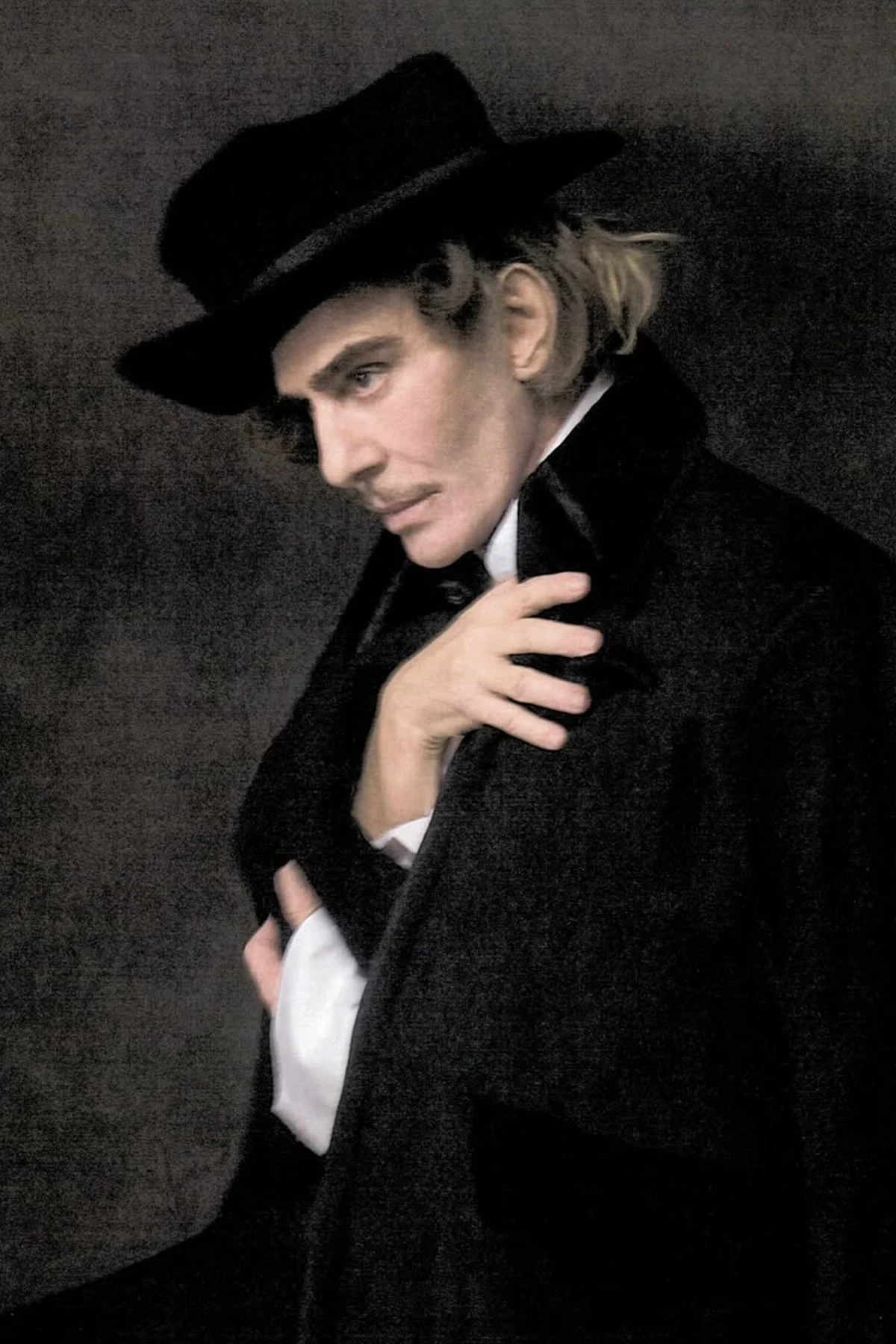
The fashion world is abuzz with the recent announcement of a groundbreaking collaboration between Maison Margiela’s creative director, John Galliano, and fast-fashion giant Zara. This partnership, a stark departure from Galliano’s historically exclusive and avant-garde approach, marks a significant moment for both the designer and the retail landscape. The move begs a critical question: is this an ultimate fashion coup, a strategic masterstroke to democratize high fashion, or a final surrender of prestige in the pursuit of mass-market appeal?
A Paradigm Shift in Designer-Retailer Dynamics
For decades, John Galliano has been a titan of haute couture, synonymous with theatricality, opulent designs, and an almost mythical level of exclusivity. His tenure at Dior, and later at the helm of his own eponymous label, cemented his reputation as a visionary who pushed the boundaries of fashion. His designs were not merely garments; they were elaborate narratives, often inspired by historical eras and presented with a dramatic flair that captivated the elite fashion circles.
The landscape of fashion collaborations has indeed evolved. What was once a niche strategy for brands to tap into new markets or inject novelty has become a ubiquitous practice, sometimes to the point of saturation. For the discerning consumer, the constant stream of partnerships can feel like a diluted marketing ploy. However, a collaboration of this magnitude, involving a designer of Galliano’s stature and a global retail behemoth like Zara, transcends the typical "logo slapped on merch" scenario. It signifies a deliberate and potentially transformative strategy.
The Genesis of the Collaboration: A Timeline of Speculation and Strategy
While the specifics of the negotiation and development remain under wraps, the partnership likely began to take shape over the past year, a period marked by significant shifts in the fashion industry. The COVID-19 pandemic, in particular, accelerated trends towards digitalization, a re-evaluation of consumption patterns, and a growing demand for accessible luxury.
Zara, under the Inditex group, has consistently demonstrated an unparalleled ability to interpret runway trends and bring them to market at an astonishing pace and price point. This agile model has made it a dominant force in the global apparel industry, catering to a vast demographic. Their previous high-profile collaborations, such as those with luxury brands like Proenza Schouler and designer Stella McCartney, have proven successful in bridging the gap between aspirational and accessible fashion.
Galliano’s involvement with Maison Margiela, a brand known for its deconstructivist aesthetic and intellectual approach to design, has seen him inject a new wave of creativity and commercial success. His recent collections for the house have been critically acclaimed, demonstrating a renewed artistic vigor. The decision to partner with Zara suggests a desire to extend this creative energy beyond the confines of the high-fashion runway and into the everyday wardrobes of a much wider audience.
Unpacking the Strategic Implications: Data and Market Analysis
The potential benefits for both parties are substantial and multifaceted. For Zara, aligning with a designer of Galliano’s caliber offers a significant brand elevation. It lends an aura of high-fashion credibility and artistic merit to their offerings, potentially attracting a more style-conscious consumer and reinforcing their position as trendsetters. Zara’s global reach, with stores in over 90 countries and an online presence that spans continents, provides Galliano with an unprecedented platform to showcase his design sensibilities to an audience that might otherwise never encounter his work.
According to Statista, the global fast fashion market was valued at approximately $35.2 billion in 2022 and is projected to grow steadily in the coming years. Zara, as a leading player in this market, is well-positioned to capitalize on this growth. A collaboration with a designer of Galliano’s caliber could significantly boost Zara’s market share and brand loyalty, especially among younger demographics who are increasingly influenced by celebrity endorsements and designer collaborations.
For John Galliano, the benefits are equally compelling. This partnership offers a unique opportunity to democratize his design philosophy. By translating his signature aesthetic into more accessible price points, he can reach a demographic that previously viewed his creations as unattainable. This could lead to a significant expansion of his brand recognition and influence, moving him beyond the niche of haute couture enthusiasts to a broader consumer base. Furthermore, it provides a lucrative avenue for commercial success, potentially diversifying his income streams and solidifying his legacy as a designer who not only shaped fashion trends but also made them more accessible.
Reactions and Anticipation from the Fashion Ecosystem
The fashion industry, a complex ecosystem of designers, retailers, critics, and consumers, has reacted with a mixture of intrigue, skepticism, and excitement.
Industry Analysts are dissecting the move, with many viewing it as a shrewd business decision. "This collaboration is a masterclass in strategic brand extension," commented [Fictional Fashion Analyst Name], a leading commentator on the global fashion market. "Zara gains immense credibility, and Galliano gains unparalleled market penetration. It’s a win-win that redefines the boundaries of designer accessibility."
Fashion Critics, while often protective of artistic integrity, acknowledge the potential for innovation. Some express concern that the essence of Galliano’s craft might be diluted in the mass-production process. However, others argue that this is an opportunity for him to demonstrate his versatility and his ability to translate his vision into a more inclusive context. The challenge, they note, will be in maintaining the creative integrity and distinctive aesthetic that has defined his career.
Consumers are likely to be the ultimate arbiters of success. The anticipation is palpable, with social media abuzz with discussions about what Galliano’s designs will look like at Zara’s price points. Many express eagerness to own a piece of Galliano’s celebrated style without the prohibitive cost of couture. However, some loyal followers of his high-fashion work may harbor reservations about the perceived dilution of exclusivity.
The Long-Term Vision: Prestige vs. Profitability
The enduring question remains: what is the long-term impact of this collaboration on Galliano’s prestige? Historically, high-fashion designers have tread a delicate line when venturing into the mass market. The risk of devaluing their brand through overexposure or perceived compromise is significant.
However, the contemporary fashion landscape is more fluid than ever. Brands like Louis Vuitton and Gucci, once exclusively for the elite, have successfully integrated streetwear elements and embraced collaborations with artists and cultural figures, reaching new audiences without significantly eroding their luxury status. The key lies in the execution.
If Galliano and Zara can successfully translate his design DNA into a collection that retains a sense of artistry, quality, and a nod to his signature flair, while remaining accessible, this could be a transformative moment. It could set a new precedent for how high-fashion creativity can be disseminated and appreciated by a wider public. The "enfant terrible" of fashion might just be orchestrating his most audacious and inclusive collection yet, a move that could redefine the very notion of fashion coups. The success of this venture will hinge on the delicate balance between commercial viability and the preservation of the artistic legacy that has made John Galliano a name synonymous with fashion’s most extravagant dreams. The world is watching to see if this partnership will be remembered as a bold step towards democratization or a concession to the relentless pursuit of mass appeal.