Kang Muslim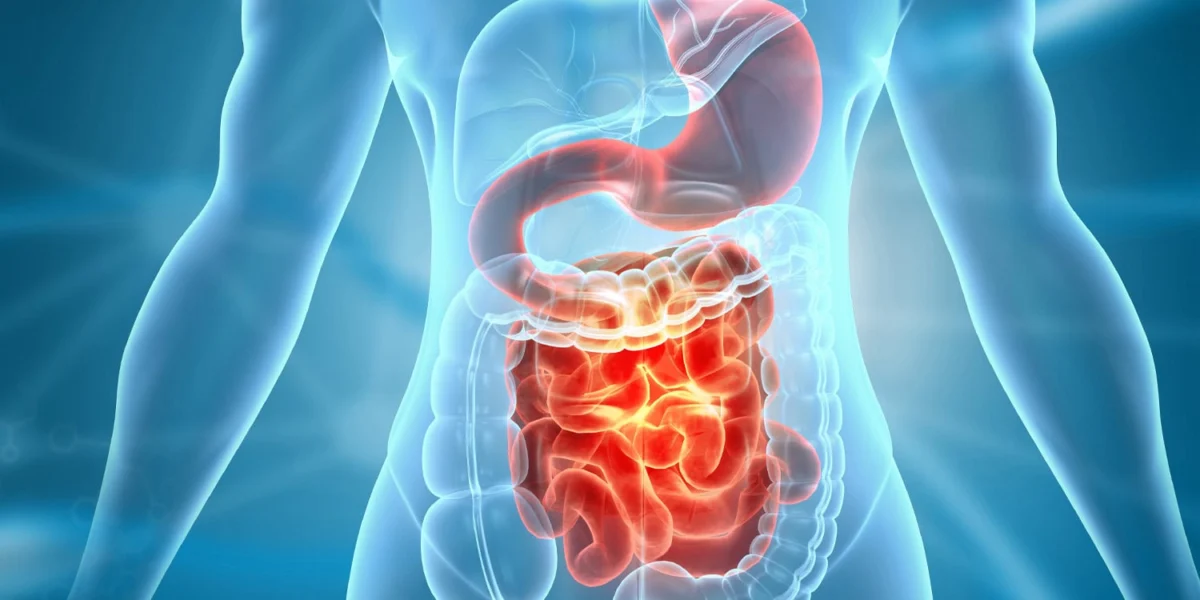
The decline of memory and cognitive function has long been viewed as an inevitable consequence of the brain’s internal aging process, characterized by the gradual accumulation of cellular damage and the loss of synaptic plasticity. However, a groundbreaking study published in the journal Nature suggests that the origins of age-related forgetfulness may lie far from the cranium, situated instead within the complex ecosystem of the digestive tract. Led by researchers at the University of Pennsylvania, Stanford Medicine, and the Arc Institute, the study demonstrates that shifts in the gut microbiome during aging trigger a cascade of inflammatory signals that interrupt the communication between the gut and the brain, directly impairing the hippocampus—the brain’s primary seat of memory.
By isolating specific bacterial species and the chemical byproducts they produce, the research team, headed by graduate researcher Timothy O. Cox and senior authors Christoph A. Thaiss and Maayan Levy, revealed that memory loss in aging mice is not a permanent state but a reversible condition. Through interventions ranging from antibiotic treatments to the stimulation of the vagus nerve, the researchers were able to restore cognitive performance in elderly subjects to levels seen in their younger counterparts. These findings offer a transformative perspective on the "gut-brain axis" and suggest new therapeutic pathways for addressing cognitive decline in the global aging population.
The Concept of Interoception and the Vagus Nerve
At the heart of the study is the concept of interoception—the nervous system’s ability to sense and integrate signals originating from within the body. While external senses like vision and touch allow organisms to navigate their environment, interoception provides a constant internal monologue regarding the state of the organs, metabolic needs, and inflammatory levels. The primary conduit for this internal communication is the vagus nerve, a massive bundle of fibers that extends from the brainstem to the abdomen, serving as a high-speed data link between the viscera and the central nervous system.
The researchers hypothesized that the vagus nerve does more than just regulate digestion or heart rate; it acts as a critical gatekeeper for cognitive health. In a healthy, young organism, the gut sends consistent, clear signals through the vagus nerve to the hippocampus. This "bottom-up" signaling appears essential for the hippocampus to function optimally, allowing it to encode new memories and process spatial information. However, the study suggests that as an organism ages, the quality of this signal degrades, not because of the nerve itself, but because of the changing environment of the gut.
Chronology of Discovery: From Co-housing to Microbiome Transplants
To investigate the link between gut health and memory, the research team conducted a series of controlled experiments designed to isolate the impact of the microbiome from other factors of aging. The timeline of the study began with a "co-housing" experiment, a method that takes advantage of the natural coprophagic behavior of mice. Young mice were placed in environments with older mice, leading the younger animals to ingest the fecal matter—and thus the intestinal bacteria—of the aged population.
Within 30 days, the young mice exhibited a microbial profile nearly identical to that of the elderly mice. More significantly, their cognitive performance plummeted. When subjected to novel object recognition tests—which measure a mouse’s ability to remember a familiar item versus a new one—and spatial navigation mazes, the young mice with "old" guts performed as poorly as the aged mice. They showed a marked lack of curiosity and a failure to recall exit routes, indicating that the mere presence of aged gut bacteria was sufficient to induce cognitive impairment in a healthy, young brain.
To ensure that social stress or other environmental factors weren’t the cause, the team performed sterile fecal microbiota transplants (FMT). Germ-free young mice, raised in environments devoid of any bacteria, were given transplants from aged donors. The results were consistent: the introduction of aged microbiota led to immediate memory deficits. Conversely, older mice that were raised in germ-free environments throughout their lives maintained sharp, youthful memory functions, suggesting that aging of the brain is not a purely chronological certainty but is heavily influenced by microbial colonization.
Identifying the Culprit: Parabacteroides goldsteinii and Fatty Acid Signaling
The research then moved into a molecular "detective" phase to identify the specific bacterial species responsible for this decline. Through genomic sequencing and longitudinal cataloging of the mouse microbiome, the team identified a significant increase in the prevalence of Parabacteroides goldsteinii as the mice aged. When this specific bacterium was introduced into young, healthy mice, it replicated the memory loss observed in the aged cohorts, while other common gut bacteria had no such effect.
The team’s analysis revealed that P. goldsteinii produces an abundance of medium-chain fatty acids (MCFAs). While some fatty acids are beneficial, the specific concentration and context of these MCFAs in the aging gut acted as a detrimental signal. These molecules interact with myeloid cells—specialized white blood cells in the intestinal lining—by binding to specific receptors. This binding triggers a localized inflammatory response within the gut tissue.
Crucially, this inflammation does not necessarily enter the general bloodstream as systemic "inflammaging." Instead, it remains localized, creating a hostile environment for the sensory endings of the vagus nerve. Using real-time electrophysiological imaging, the researchers observed that these inflammatory chemicals effectively "muted" the vagus nerve. The nerve’s firing rate slowed significantly, preventing it from delivering the necessary interoceptive cues to the hippocampus. Without this input, hippocampal activity withered, and the ability to form memories was lost.
Reversing the Clock: Therapeutic Interventions and Data Results
The most striking aspect of the study was the successful reversal of these symptoms. The researchers employed several methods to prove that the memory loss was a functional blockage rather than permanent structural damage:
- Broad-Spectrum Antibiotics: When aged mice or "aged-gut" young mice were treated with antibiotics to clear the P. goldsteinii and other bacteria, their memory scores returned to near-youthful levels within weeks.
- Genetic Modification: The team bred mice lacking the specific fatty acid receptors on their myeloid cells. Even when these mice were colonized with the "old" microbiome, they remained cognitively sharp, as the inflammatory cascade could not be triggered.
- Chemical Stimulation: The researchers fed older mice capsaicin—the active component in chili peppers—known to stimulate vagal sensory fibers. This artificial "boosting" of the signal bypassed the local inflammation and restored hippocampal function.
- Hormonal and Electrical Activation: Similar results were achieved using gut hormones and direct electrical stimulation of the vagus nerve, which effectively "reconnected" the gut to the brain.
In quantitative terms, mice treated with vagal stimulants or those protected from gut inflammation showed a 40% to 60% improvement in memory retention scores compared to untreated aged controls. These data points suggest that the hippocampal "machinery" remains intact in old age but lacks the proper external stimulation to operate correctly.
Supporting Data and Broader Scientific Context
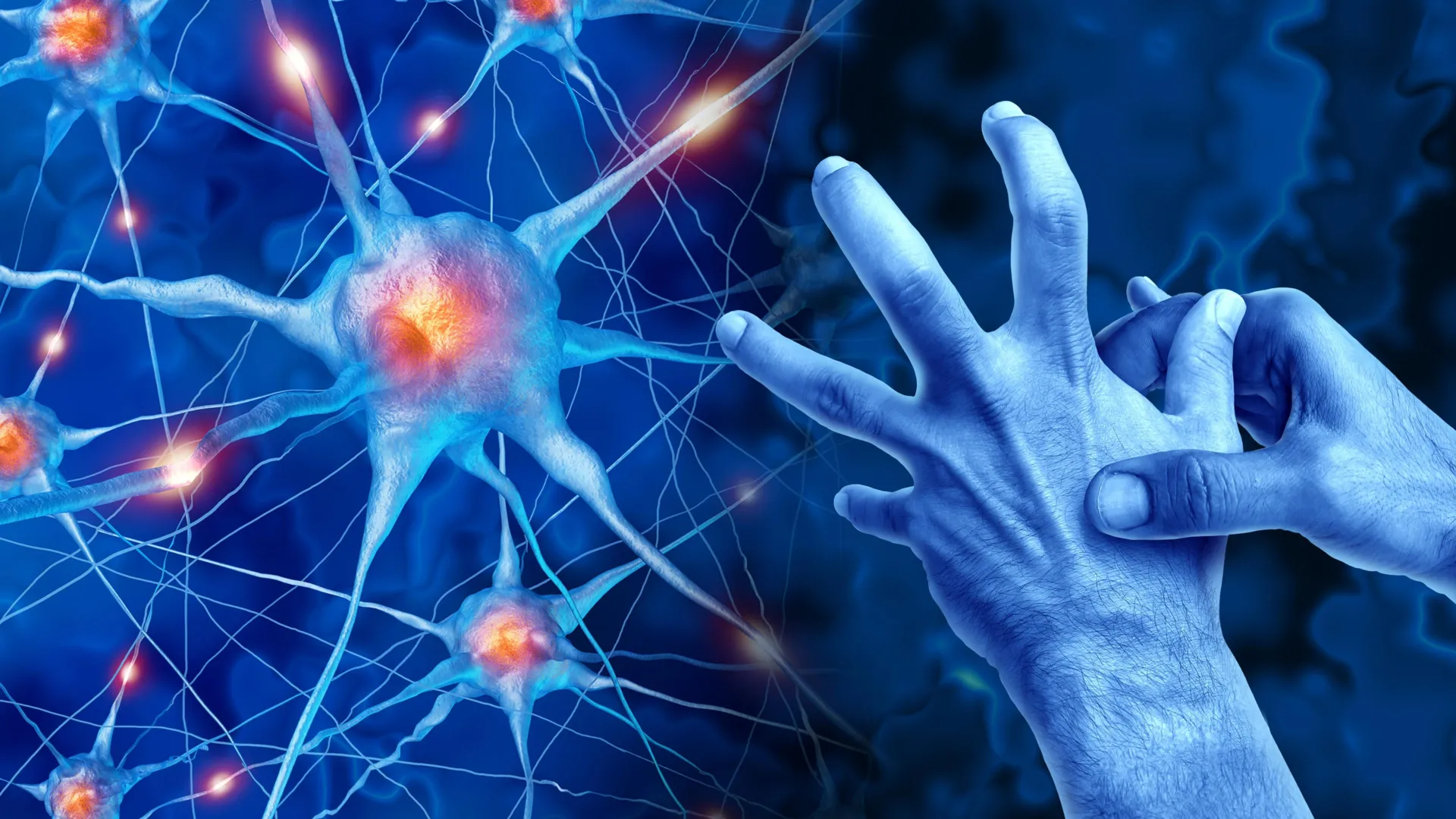
This study builds upon a growing body of evidence linking the gut to neurological health. Previous research has identified gut-brain links in Parkinson’s disease, where alpha-synuclein proteins are thought to travel from the gut to the brain via the vagus nerve. Similarly, studies on Alzheimer’s disease have often noted changes in the microbiome, though the precise mechanism of action remained elusive until now.
The University of Pennsylvania and Stanford study provides a missing link by identifying "interoceptive dysfunction" as a primary driver. Unlike previous theories that focused on "leaky gut" and systemic toxins, this research highlights a specific neural pathway. The data indicates that the brain requires a constant "status report" from the body to maintain its cognitive vigor. When that report is silenced by gut inflammation, the brain enters a state of functional hibernation regarding memory formation.
Official Responses and Clinical Implications
The scientific community has reacted with cautious optimism. "Our study emphasizes that processes in the brain can be modulated through peripheral intervention," stated senior author Maayan Levy. She noted that the accessibility of the digestive system makes it a "low-hanging fruit" for medical intervention. Unlike the brain, which is protected by the formidable blood-brain barrier, the gut can be reached easily through diet, probiotics, or oral medications.
Christoph A. Thaiss, also a senior author, highlighted the potential for existing technology to be repurposed. "Devices that electrically stimulate the vagus nerve are already FDA-approved for conditions like epilepsy and depression," Thaiss noted. "Our findings suggest these devices might hold promise for protecting or even restoring memory in the elderly."
However, experts emphasize the need for human trials. While the biological pathways in mice and humans are similar, the specific bacterial species involved may differ. Human aging is also complicated by diet, medication, and diverse lifestyles that are difficult to replicate in a laboratory setting.
Future Outlook: A New Frontier in Gerontology
The implications of this research extend far beyond the laboratory. If age-related cognitive decline is indeed a manageable condition rooted in gut health, it could revolutionize the approach to geriatric care. Future research is expected to focus on:
- Diagnostic Microbiome Screening: Developing tests to identify high levels of memory-inhibiting bacteria before cognitive symptoms appear.
- Targeted Probiotics: Creating "living medicines" designed to outcompete Parabacteroides goldsteinii or neutralize its fatty acid byproducts.
- Dietary Interventions: Identifying specific fibers or nutrients that suppress gut inflammation and support vagal nerve health.
- Vagal "Pacemakers": Exploring the use of non-invasive vagus nerve stimulation (VNS) as a daily therapy for those at risk of dementia.
As the global population ages, the burden of cognitive decline is expected to place unprecedented strain on healthcare systems. The discovery that the "fountain of youth" for the mind may actually reside in the gut provides a hopeful new direction for science. By treating the body as a whole, integrated system rather than a collection of isolated organs, researchers are unlocking the secrets to maintaining mental clarity well into the twilight years of life. The study stands as a testament to the power of interdisciplinary research, merging microbiology, immunology, and neuroscience to solve one of humanity’s oldest challenges.