Ali Ikhwan
The act of a first kiss, often depicted in literature and film as a purely romantic gesture, extends far beyond mere physical intimacy, serving as a profound psychological and biological assessment tool. This initial convergence of lips and intentions can offer a wealth of information about nascent compatibility, underlying emotional connections, and even an individual’s self-perception, laying critical groundwork for the potential trajectory of a new relationship. Far from being a simple, spontaneous moment, the first kiss is a complex interplay of sensory data, neurochemical responses, and deeply ingrained evolutionary mechanisms, each contributing to a rapid, often unconscious, evaluation of a prospective partner.
The Evolutionary and Anthropological Significance of Kissing
To truly understand the multifaceted nature of a first kiss, it is essential to consider its evolutionary and anthropological roots. While not universally practiced in all cultures, romantic-sexual kissing is observed in a significant majority, suggesting a deep-seated biological or social function. Anthropological studies indicate that the origins of kissing might trace back to primate behaviors like mouth-to-mouth feeding, a practice that fosters bonding and attachment between caregiver and offspring. Over millennia, this behavior may have evolved into a complex ritual of mate assessment and pair-bonding among humans.

Evolutionary psychologists propose that kissing serves several critical functions. Firstly, it facilitates the exchange of chemosensory cues – subtle chemical signals embedded in saliva and breath – which provide vital information about a potential mate’s health, genetic fitness, and reproductive compatibility. Secondly, kissing acts as a tactile and sensory experience, allowing individuals to gauge a partner’s touch, scent, and taste, contributing to an overall assessment of their desirability. Historically, some cultures have viewed kissing as a symbolic act of soul merging or a pledge of commitment, further cementing its role beyond simple physical pleasure. This rich background underscores that a first kiss is not merely an emotional milestone but a sophisticated, biologically driven process of evaluation.
Biological Blueprint: The Genetic Compatibility Test
One of the most compelling insights gleaned from a first kiss pertains to genetic compatibility, particularly through the lens of the Major Histocompatibility Complex (MHC). The MHC is a cluster of genes crucial for immune system function, responsible for recognizing foreign pathogens. Research, notably the famous "sweaty T-shirt" study by Claus Wedekind in 1995, suggests that humans are unconsciously attracted to partners with dissimilar MHC profiles. This genetic diversity is advantageous for offspring, as it provides a broader range of immune defenses, increasing their chances of survival against a wider array of diseases.
During a kiss, saliva, rich with biochemical information, is exchanged. This exchange allows individuals to subconsciously detect MHC differences through scent and taste. A strong "spark" or sense of attraction during a first kiss might, therefore, be your body’s innate mechanism signaling favorable genetic compatibility. Conversely, a lack of chemistry could be interpreted as a biological disinclination, a subtle alert that genetic profiles are too similar or otherwise suboptimal for reproduction. This biological "screening test" operates below the level of conscious awareness, yet profoundly influences our initial attraction and the potential for a long-term bond.

Complementing MHC-driven attraction are pheromones, chemical signals that animals, and potentially humans, release to influence the behavior of others of the same species. While the role of human pheromones remains a subject of ongoing scientific debate, some studies suggest they may play a subtle part in mate selection, particularly in close physical proximity. A first kiss provides an opportune moment for the close-range detection of these airborne or contact-transferred chemical cues. If present and effective, these pheromones could contribute to the inexplicable pull or repulsion felt during this intimate moment, adding another layer to the biological assessment process.
The Neurochemical Symphony: A Rush of Pleasure and Connection
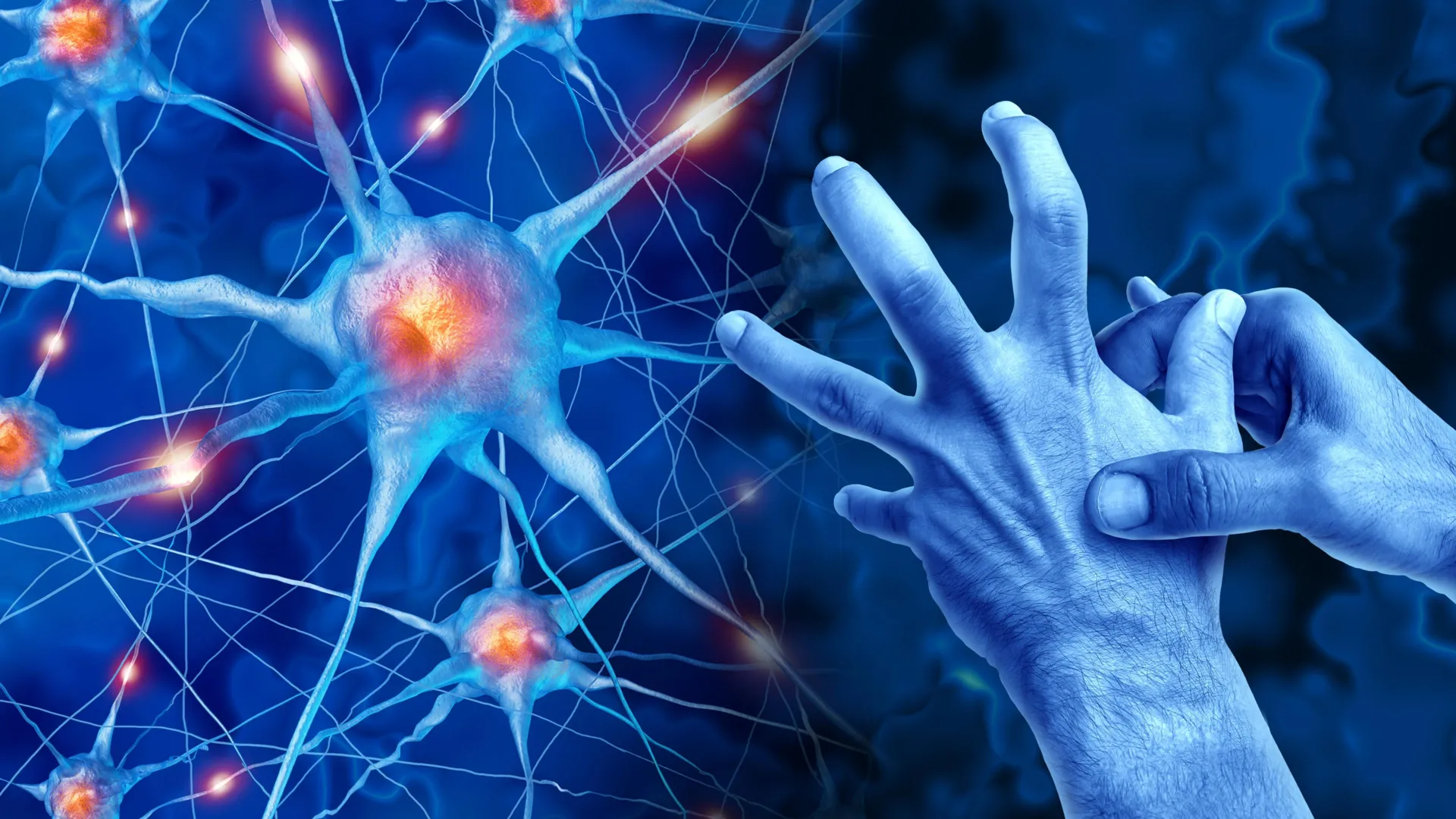
Beyond genetic screening, a first kiss orchestrates a powerful neurochemical response within the brain, creating a sensory experience that is both pleasurable and indicative of potential connection. The primary orchestrators of this internal symphony are hormones and neurotransmitters, released in a cascade that profoundly affects mood and bonding.
- Oxytocin: Often dubbed the "cuddle hormone" or "love hormone," oxytocin is released during physical intimacy, including kissing. Its primary function is to foster feelings of attachment, trust, and bonding. A surge of oxytocin during a first kiss can create a sense of warmth, security, and emotional closeness, laying the foundation for deeper connection. Neuroscientists suggest that this release helps cement the emotional significance of the moment, linking the partner with positive emotional states.
- Dopamine: This neurotransmitter is a key component of the brain’s reward system, associated with pleasure, motivation, and desire. A good first kiss triggers a surge of dopamine, creating a euphoric "feel-good" sensation. This reinforces the positive experience and motivates individuals to seek out further interaction with the partner, effectively initiating a reward-seeking loop crucial for the early stages of romantic attraction.
- Serotonin: While dopamine creates the rush, serotonin contributes to feelings of well-being and happiness. Fluctuations in serotonin levels are also implicated in obsessive thoughts often associated with early infatuation, indicating that a first kiss can trigger a powerful, all-consuming focus on the new partner.
- Endorphins: These natural painkillers and mood elevators are also released during kissing, contributing to a sense of euphoria and reducing stress. The combined effect of these neurochemicals makes a successful first kiss a highly memorable and impactful event, signaling to the brain that this interaction is rewarding and worth pursuing.
Some individuals may even experience synesthesia, a neurological phenomenon where the stimulation of one sensory pathway leads to automatic, involuntary experiences in a second sensory pathway. For such individuals, a kiss might not only be felt but also "seen" as colors or "tasted" as flavors, adding an extraordinary dimension to the sensory overload and potentially amplifying the perceived chemistry.

Psychological Windows: Attachment and Relational Styles
The manner in which individuals engage in a first kiss also offers a revealing glimpse into their psychological makeup, particularly their attachment styles and broader relationship approaches. Developed by psychologists John Bowlby and Mary Ainsworth, attachment theory posits that early childhood experiences with caregivers shape our relational patterns in adulthood. These styles—secure, anxious, avoidant, and disorganized—profoundly influence how individuals navigate intimacy, commitment, and emotional expression.
- Secure Attachment: Individuals with a secure attachment style tend to approach a first kiss with confidence, openness, and reciprocity. They are comfortable with intimacy and emotional closeness, reflecting a healthy balance of self-assurance and responsiveness to their partner. Their kiss is likely to be warm, engaged, and mutually satisfying.
- Anxious Attachment: Those with an anxious attachment style might display eagerness mixed with apprehension. They may seek reassurance during the kiss, perhaps through intensity or prolonged engagement, and might overanalyze the kiss’s implications for the future of the relationship. Their need for validation can sometimes manifest as an overly enthusiastic or demanding kiss.
- Avoidant Attachment: Individuals with an avoidant attachment style often struggle with intimacy. They might appear reserved or even somewhat detached during a first kiss, potentially pulling back physically or emotionally. The intimacy of the moment can trigger discomfort, leading to a less engaged or shorter kiss, reflecting a subconscious attempt to maintain emotional distance.
- Disorganized Attachment: This style, often stemming from inconsistent or frightening early caregiving, can manifest as contradictory behaviors. A disorganized individual might display a mix of approach and avoidance during a kiss, appearing both desirous and fearful of intimacy.
Furthermore, a first kiss can be analyzed through the lens of social exchange theory, which views relationships as a series of interactions where individuals seek to maximize rewards and minimize costs. In this context, a first kiss acts as a "sample" of the potential rewards (attraction, emotional connection, physical pleasure) and costs (discomfort, awkwardness, lack of chemistry) of a continued relationship. If the benefits derived from the kiss – the "spark," the good feeling, the sense of connection – outweigh any perceived costs, individuals are more likely to pursue further interaction. The "quality" of the kiss thus becomes a critical factor in this unconscious cost-benefit analysis, influencing decisions about relationship progression.
The Confidence Quotient: Shaping Self-Perception
Beyond assessing a partner, a first kiss significantly impacts an individual’s self-esteem and self-image, acting as a powerful confidence booster or buster. The subjective experience of the kiss can either affirm or challenge one’s sense of desirability and relational competence.

A successful, mutually enjoyable first kiss can dramatically elevate self-esteem. The feeling of being desired, the rush of positive neurochemicals, and the confirmation of mutual attraction reinforce a positive self-image. This newfound confidence can translate into greater assertiveness and openness in future romantic interactions, making individuals more willing to take risks and pursue connections. The memory of a "perfect" kiss can become a source of internal validation, bolstering one’s belief in their ability to form meaningful relationships.
Conversely, an awkward, unpleasant, or unreceptive first kiss can have a detrimental effect on self-esteem. Experiences such as misaligned expectations, physical discomfort, or a perceived lack of reciprocal interest can lead to feelings of rejection, inadequacy, or self-doubt. This negative experience might cause individuals to question their attractiveness or "kiss-ability," potentially leading to increased caution, self-consciousness, or even withdrawal in subsequent dating scenarios. It is crucial to remember, however, that while a single kiss can be impactful, it does not define an individual’s overall worth or their capacity for a fulfilling relationship. The psychological resilience to navigate such moments is key.
Cultural Nuances of the First Kiss
While the biological and psychological underpinnings of kissing are broadly universal, the cultural context significantly shapes the perception and practice of a first kiss. In Western societies, the first kiss often carries immense romantic weight, signaling a transition from platonic interest to romantic potential. It is frequently seen as a precursor to a committed relationship and a significant milestone in the courtship ritual. Media portrayals, from Hollywood films to popular music, reinforce this idealized image, creating high expectations for the "perfect" first kiss.

However, kissing practices vary widely across the globe. In some cultures, public displays of affection, including kissing, are considered inappropriate or even taboo. In others, cheek kissing is a common greeting, devoid of romantic connotations. The timing and significance of a first romantic kiss can also differ, with some societies placing greater emphasis on other forms of intimacy or formal declarations of intent before any physical contact. Understanding these cultural variations underscores that while the underlying biological mechanisms may be shared, the social interpretation and emotional significance of a first kiss are deeply embedded in specific cultural norms and expectations.
Navigating the Moment: Practical Insights for Connection
Given the profound implications of a first kiss, individuals often seek practical guidance for navigating this potentially pivotal moment. While scientific insights illuminate its complexities, a few fundamental principles can enhance the experience and optimize its potential for positive connection.
- Prioritize Freshness: Basic oral hygiene is paramount. Unpleasant breath can instantly detract from the experience, overriding any potential chemical or emotional connection. A mint or chewing gum can be a simple yet effective preparation.
- Observe and Respond to Cues: Timing and consent are crucial. Look for clear non-verbal signals of readiness and mutual desire, such as prolonged eye contact, leaning in, subtle touches, or a lingering gaze at the lips. Initiating a kiss without clear reciprocation can create discomfort and rupture burgeoning trust.
- Embrace Gentleness and Gradualism: A first kiss is rarely a full-blown passionate encounter. Starting with a soft, gentle approach allows both parties to gauge comfort levels and build intensity naturally. Rushing or being overly aggressive can be off-putting and signal a lack of sensitivity.
- Maintain Awareness of Personal Space: Respecting boundaries is non-negotiable. Even in moments of heightened emotion, being mindful of a partner’s comfort zone and physical autonomy is essential. If there is any hesitation or perceived reluctance, it is always better to pause and verbally confirm interest.
- Simplicity Over Spectacle: Often, the most memorable first kisses are those that are sincere and straightforward, rather than theatrical or overly complex. Focusing on genuine connection and presence in the moment can create a more authentic and impactful experience than attempting to execute a "perfect" technique.
Ultimately, while biological and psychological factors are at play, the human element of connection, empathy, and mutual respect remains central to a positive first kiss. It is a moment of shared vulnerability and potential, serving as a powerful indicator of whether two individuals are truly aligned for a deeper relationship.

Conclusion: The First Kiss as a Multifaceted Indicator
The seemingly simple act of a first kiss is, in reality, a remarkably complex and multifaceted human interaction. It is a biological compatibility test, a neurochemical celebration, a psychological mirror reflecting attachment styles and relational patterns, a confidence shaper, and a culturally nuanced ritual. From the unconscious exchange of genetic information to the conscious interpretation of a partner’s emotional availability, every aspect of a first kiss contributes to a rapid, often subconscious, assessment of a potential mate.
What one learns from a first kiss extends far beyond immediate romantic gratification; it provides a comprehensive snapshot of potential long-term compatibility, emotional resonance, and the foundational dynamics of a burgeoning relationship. This intimate moment serves as a critical juncture, influencing subsequent decisions about whether to pursue a deeper connection. Recognizing the profound depth and implications of this universal human experience allows for a more informed and appreciative approach to one of life’s most exhilarating milestones. The first kiss, therefore, is not just a beginning, but a comprehensive, albeit subtle, declaration of intent and potential.