Ali Ikhwan
The act of kissing, often romanticized in literature and cinema, is far more than a simple physical gesture; it is a complex human ritual imbued with profound biological, psychological, and social significance. While frequently perceived as a spontaneous expression of affection, a first kiss, particularly in the nascent stages of a romantic connection, serves as a remarkably intricate diagnostic tool, offering invaluable insights into potential compatibility, emotional resonance, and even an individual’s intrinsic relational style. This article delves into the multifaceted dimensions of the first kiss, exploring the scientific underpinnings and psychological implications that transform a momentary embrace into a revealing snapshot of a burgeoning relationship.
The Evolutionary and Anthropological Context of Kissing

Before dissecting the modern first kiss, it is crucial to understand its historical and evolutionary trajectory. While not universally practiced across all cultures, kissing appears in various forms throughout human history, suggesting a deep-seated function. Evolutionary biologists propose several theories for the development of kissing. One prominent hypothesis, often referred to as "mate assessment," suggests that kissing evolved as a sophisticated mechanism for individuals to subconsciously evaluate a potential partner’s genetic fitness, health, and hormonal status through taste, smell, and tactile information. The close proximity involved in a kiss allows for an intimate exchange of sensory data, providing a rapid, albeit unconscious, assessment that can influence the trajectory of a relationship. Anthropological studies reveal a diverse range of kissing practices, from gentle pecks to passionate embraces, highlighting its cultural plasticity while underscoring its consistent role in expressing affection, bonding, and sexual attraction. In many societies, the first kiss marks a significant threshold, signifying a transition from platonic interest to romantic exploration.
Biological Compatibility: The Subliminal Genetic Screening
One of the most fascinating aspects of a first kiss lies in its role as a subliminal genetic screening test. As individuals engage in a kiss, they are not merely exchanging saliva; they are, at a biological level, exchanging crucial genetic information. Research in evolutionary psychology has highlighted the significance of the Major Histocompatibility Complex (MHC), a group of genes vital to the immune system. Studies, such as those conducted by Claus Wedekind in the 1990s (the "sweaty T-shirt" experiment), have indicated that humans, like many other species, tend to be unconsciously attracted to individuals with MHC genes dissimilar to their own. This genetic diversity is highly advantageous for potential offspring, as it contributes to a more robust immune system and increased survival rates. During a kiss, the exchange of saliva allows for the detection of these MHC markers, providing an instantaneous, subconscious signal of genetic compatibility. A "spark" may, in part, be a biological affirmation that "our genes would make beautiful music together," while a lack thereof could signal genetic dissimilarity that is not evolutionarily optimal.

Furthermore, the role of pheromones, chemical signals emitted by the body, cannot be understated. While their influence in human attraction is more complex and less overt than in the animal kingdom, some scientific evidence suggests that these airborne chemical messengers can subtly affect mood, physiological responses, and attraction. The close contact during a kiss positions individuals optimally to detect these olfactory cues, which may provide additional subconscious information about a partner’s reproductive fitness and overall biological suitability. The combined effect of MHC gene detection and pheromonal signaling forms a powerful, largely unconscious, biological assessment during the initial kiss, influencing the primal decision of whether to pursue a deeper connection.
The Neurochemical Symphony: A Sensorial Experience
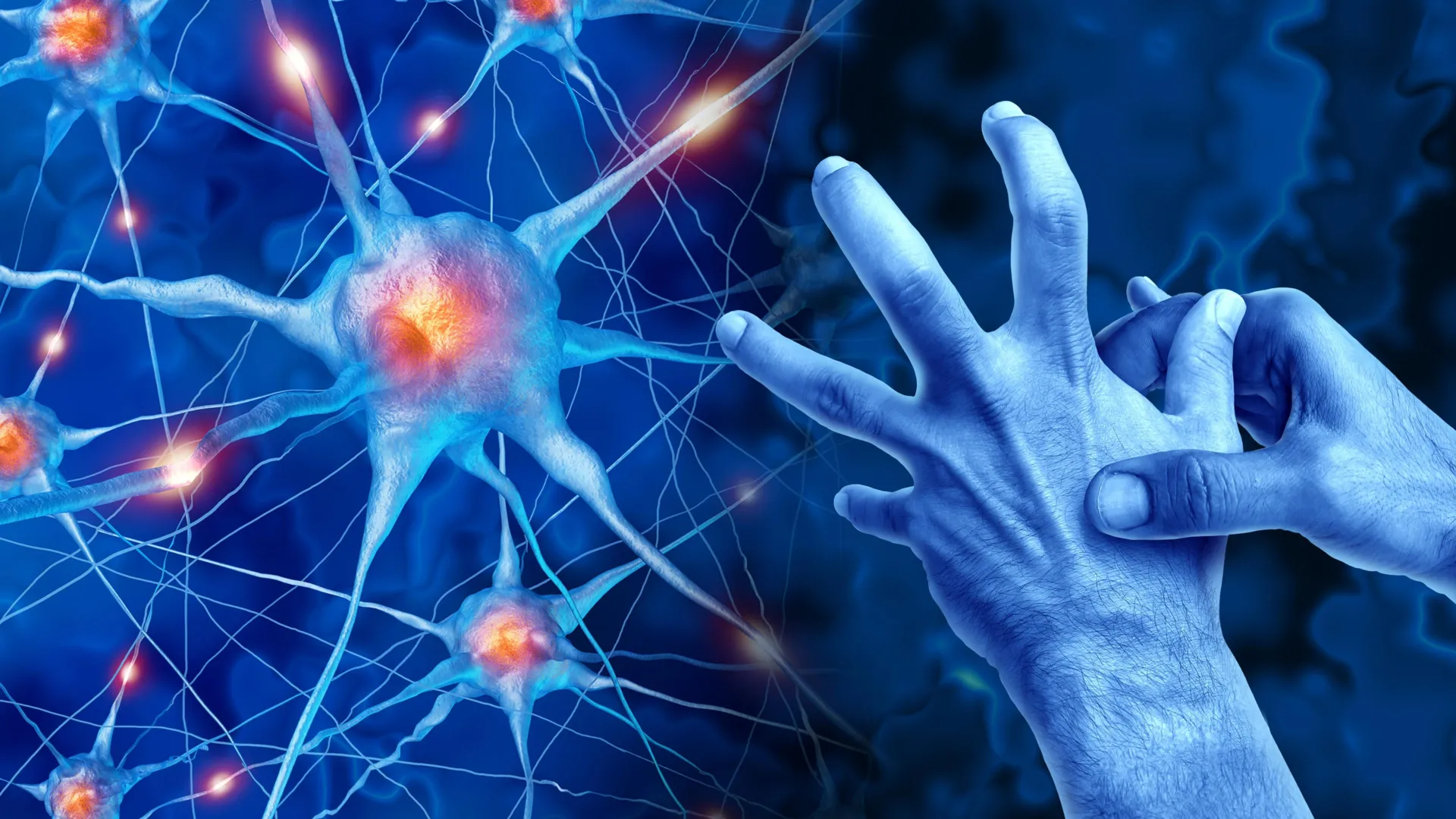
Beyond genetic screening, a first kiss orchestrates a complex neurochemical symphony within the brain, contributing to the intense emotional and physical sensations experienced. This "sensory cocktail" is responsible for the feeling of fireworks, butterflies, and profound connection that often accompanies a memorable first kiss.

- Oxytocin: Often dubbed the "cuddle hormone" or "love hormone," oxytocin plays a crucial role in social bonding, trust, and attachment. During a kiss, the brain releases a surge of oxytocin, fostering feelings of closeness and emotional connection. This neurochemical contributes to the warm, secure, and affectionate sensations, laying the groundwork for deeper intimacy.
- Dopamine: As a key neurotransmitter in the brain’s reward system, dopamine is associated with pleasure, motivation, and craving. A passionate first kiss triggers a significant release of dopamine, creating a euphoric "feel-good" sensation and reinforcing the desire for further interaction. This surge can make the experience feel exhilarating and intensely rewarding, driving individuals to seek out more of this pleasurable interaction.
- Serotonin: While dopamine creates the high, serotonin, another neurotransmitter, contributes to mood regulation and feelings of well-being. Imbalances in serotonin are often linked to obsessive thoughts, and in the early stages of romantic love, fluctuating serotonin levels might contribute to the intense focus and preoccupation with a new partner.
- Adrenaline and Norepinephrine: The excitement and anticipation leading up to and during a first kiss also trigger the release of stress hormones like adrenaline and norepinephrine. These hormones cause physiological changes such as an increased heart rate, dilated pupils, and heightened senses, contributing to the "rush" and intense arousal often associated with a thrilling romantic encounter.
For some individuals, the sensory input of a kiss might even trigger synaesthesia, a neurological phenomenon where the stimulation of one sensory pathway leads to automatic, involuntary experiences in a second sensory pathway. While rare, a synaesthete might "taste" the excitement or "see" the burst of chemistry, adding another layer of extraordinary experience to the moment. This intricate interplay of neurochemicals transforms a simple physical act into a profoundly impactful sensory and emotional event, capable of forging immediate bonds or signaling an absence of deeper connection.
Psychological Insights: Attachment, Emotion, and Relationship Dynamics
The first kiss also serves as a potent non-verbal communicator, offering significant psychological insights into an individual’s attachment style, emotional readiness, and overarching relationship approach.

- Attachment Theory in Action: Developed by psychologists John Bowlby and Mary Ainsworth, attachment theory posits that early childhood experiences with caregivers shape our "attachment styles" (secure, anxious-preoccupied, dismissive-avoidant, fearful-avoidant), which in turn influence how we form and maintain adult relationships. A first kiss can reveal subtle cues about these styles:
- Securely attached individuals tend to approach a kiss with confidence, reciprocity, and an appropriate level of intimacy, reflecting comfort with closeness and vulnerability.
- Anxiously-preoccupied individuals might be overly eager, seeking reassurance, or hyper-focused on the kiss’s perceived outcome, reflecting a deep-seated need for validation and fear of abandonment.
- Dismissive-avoidant individuals might appear reserved, emotionally distant, or even uncomfortable with the intimacy of a kiss, struggling with vulnerability and close emotional connection.
- Fearful-avoidant individuals could exhibit a confusing mix of desire for closeness and fear of it, leading to inconsistent or hesitant kissing behaviors.
- The Interplay of Emotional and Physical Intimacy: The manner in which a kiss unfolds can be a powerful indicator of the existing or developing emotional intimacy between two people. A gentle, tender, and sustained kiss often signifies a strong emotional bond and a desire for deeper connection, suggesting that physical intimacy is an extension of emotional closeness. Conversely, a rushed, aggressive, or perfunctory kiss might suggest a lack of emotional investment, a fear of intimacy, or a more superficial interest. The synchronicity, passion, and responsiveness during a kiss can reflect the alignment of emotional needs and desires.
- Relationship Blueprint: Social Exchange and Reciprocity: Sociologist George Homans’ Social Exchange Theory views relationships as a series of exchanges where individuals weigh the perceived "costs" and "benefits." In the context of a first kiss, this translates into an implicit assessment. The "benefit" might be the thrill, validation, or confirmation of attraction, while the "cost" could be vulnerability, potential rejection, or an awkward experience. A successful first kiss, where both parties feel mutual attraction and positive emotional payoff, reinforces the "benefits" and encourages further relational "investment." The reciprocity of the kiss – whether both parties are equally engaged and contributing to the experience – can also signal the potential for a balanced and mutually satisfying relationship dynamic. A disproportionate effort or lack of responsiveness can be an early red flag for imbalanced power dynamics or differing levels of interest.
The Individual Impact: Confidence and Self-Perception
Beyond the dyadic assessment, a first kiss profoundly impacts an individual’s self-perception and future relational behaviors. It acts as a mirror, reflecting and shaping one’s self-esteem and self-image within the romantic sphere.
A positive and reciprocated first kiss, characterized by mutual passion and emotional connection, can be an immense confidence booster. It validates one’s attractiveness, desirability, and ability to forge connections, reinforcing a positive self-image. This surge in self-esteem can then lead to increased assertiveness, openness, and confidence in future dating encounters. Individuals who experience successful first kisses may become more proactive in pursuing relationships, believing in their capacity for romantic success.

Conversely, an awkward, unreceptive, or unpleasant first kiss can be a significant blow to self-esteem. Experiences such as misjudged timing, lack of responsiveness from the partner, or perceived poor technique can lead to self-doubt, questioning one’s attractiveness or "kiss-ability." This negative experience can foster caution, reservation, or even anxiety in subsequent romantic interactions, potentially leading to avoidant behaviors or a reluctance to initiate intimacy. It is crucial to remember, however, that while a single kiss can be impactful, it does not define one’s inherent worth or long-term potential for successful relationships. Each experience, whether positive or negative, provides valuable data for learning and adaptation.
Cultivating the First Kiss Experience: Practical Considerations
While the underlying mechanisms of a first kiss are largely subconscious, individuals can adopt certain conscious practices to enhance the experience and maximize its potential for positive outcomes. These tips are not merely about technique but about fostering an environment of respect, comfort, and genuine connection.

- Impeccable Oral Hygiene: This is perhaps the most fundamental and universally appreciated aspect. Fresh breath is paramount, signaling respect and attention to personal care. A subtle mint can be helpful, but excessive use of mouthwash might create an artificial barrier.
- Timing and Non-Verbal Cues: A successful first kiss is often about impeccable timing. Pay close attention to your date’s body language: sustained eye contact, leaning in, subtle touches, or even a lingering gaze at your lips are all potential signals of readiness. Initiating a kiss when these cues are present significantly increases the likelihood of a positive reception.
- Gradual Approach and Pace: Avoid rushing or overly aggressive movements. A first kiss is an exploration, not a conquest. Begin slowly, perhaps with gentle lip contact, allowing the intimacy to build naturally. This allows both parties to adjust and respond to each other’s pace.
- Respecting Personal Boundaries and Consent: Consent is non-negotiable. While explicit verbal consent for a kiss is not always practical or romantic, non-verbal cues must indicate clear willingness. Any sign of hesitation, discomfort, or withdrawal should be respected immediately. Patience and sensitivity are key.
- Simplicity and Authenticity: The first kiss is not the time for elaborate techniques or trying to "impress." A simple, gentle, and heartfelt kiss often conveys more genuine emotion and creates a more memorable connection than an overly complex or performative one. Authenticity fosters true intimacy.
- Mindfulness and Presence: Be fully present in the moment. Distractions or overthinking can detract from the experience. Focus on the sensations, the connection, and the person you are sharing the moment with.
Broader Implications for Relationship Formation
Ultimately, the first kiss serves as a crucial "gatekeeper" moment in the complex dance of relationship formation. Its outcome can either open the door to deeper connection and continued exploration or signal a fundamental incompatibility that leads to a parting of ways. For many, a powerful first kiss is a prerequisite for moving forward, a litmus test that affirms mutual attraction and emotional potential. Conversely, an unpleasant or chemistry-lacking kiss can lead to an immediate re-evaluation of the prospective relationship, regardless of prior intellectual or conversational compatibility.
The first kiss’s predictive power for relationship longevity is also noteworthy. While not a definitive oracle, research suggests that the quality of initial physical intimacy, including kissing, often correlates with the overall satisfaction and commitment within a relationship. It sets a precedent, establishing an initial benchmark for physical and emotional connection.

In conclusion, the humble act of a first kiss is anything but simple. It is a remarkable convergence of evolutionary biology, neurochemistry, and profound psychological dynamics. From subconscious genetic assessments and the intoxicating release of bonding hormones to revealing insights into attachment styles and self-esteem, what one can learn from a first kiss extends far beyond mere romance. It is a powerful, multi-layered form of communication, a snapshot of potential compatibility, and a pivotal moment that can shape the trajectory of human connection. So, as individuals navigate the exhilarating landscape of new relationships, understanding the profound significance of that initial lip-lock offers a richer appreciation for this timeless human ritual.