Ferry Irwandi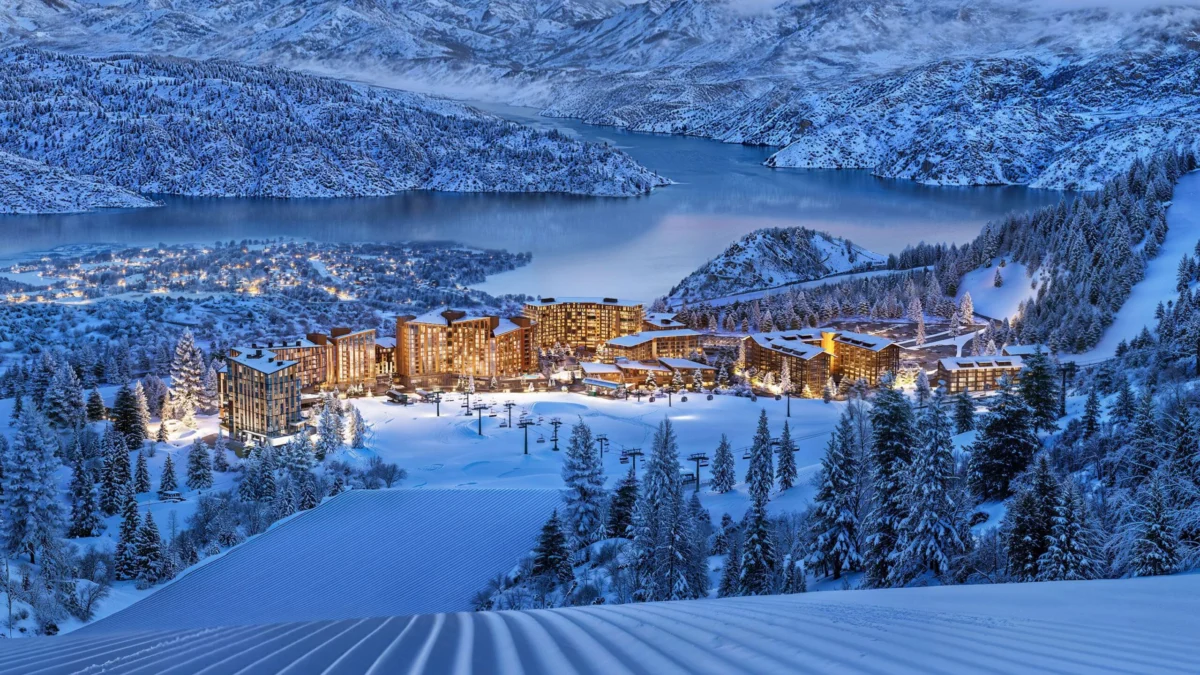
The landscape of North American skiing is undergoing a fundamental transformation as Deer Valley Resort executes one of the most significant expansions in the history of the United States ski industry. With the recent activation of the East Village base area and the phased opening of massive new terrain, the resort is on a trajectory to more than double its skiable acreage, fundamentally altering the recreational and economic map of the Wasatch Mountain range. The expansion, centered on the newly developed East Village in Wasatch County, represents a strategic pivot for the iconic "skier-only" destination, moving beyond its traditional borders to create a second major gateway that promises to alleviate congestion while setting new benchmarks for luxury mountain hospitality.
The Scope of the "Expanded Excellence" Initiative
At the heart of this multi-year project is a commitment to scale that is rarely seen in modern resort development. Upon final completion, Deer Valley will encompass approximately 4,300 skiable acres, a staggering increase from its previous footprint. This expansion includes the addition of over 130 new runs and 16 new lifts, bringing the resort’s total totals to more than 200 runs and over 30 lifts. This growth is not merely horizontal; it is anchored by Park Peak, a 9,350-foot centerpiece that serves as the primary hub for the new terrain.

The current winter season has already seen the realization of the project’s first major milestones. The resort has opened more than 80 new trails, which are now seamlessly integrated into the existing mountain network via the state-of-the-art East Village Gondola. This ten-passenger gondola serves as the primary artery between the new base area and the high-altitude terrain, offering skiers a transit experience characterized by panoramic views of the Jordanelle Reservoir and the rugged spine of the Wasatch Mountains.
Chronology of Development and Infrastructure
The expansion, often referred to in planning stages as the "Mayflower" project before its official integration into Deer Valley operations, has followed a rigorous development timeline. The infrastructure build-out began in earnest several years ago, with heavy construction continuing alongside active ski operations.
- Phase I (2023-2024): Initial trail cutting and the installation of primary lift infrastructure, including the foundational work for the East Village Gondola.
- Phase II (2024-2025): The official opening of the East Village base area and the activation of the first 80+ trails. This phase introduced the initial hospitality offerings and established the connection to the existing Deer Valley terrain.
- Phase III (2025-2026): Projected completion of additional lifts and the full doubling of skiable acreage.
- Phase IV (2026-2028): The completion of the primary luxury hotel circuit, including the Waldorf Astoria and Four Seasons properties, and the full build-out of the East Village retail and dining promenade.
The physical labor involved in this metamorphosis is evident to any visitor riding the new lifts. While many trails are already open to the public, construction vehicles remain a common sight in designated zones, working to finalize the residential and commercial structures that will eventually define the East Village skyline.
-2.jpg)
The East Village: A New Hospitality Epicenter
Located along U.S. Route 40 in the Heber Valley, the East Village is designed to be a self-contained luxury ecosystem. The master plan for the base area is ambitious, calling for the development of nine hotels, 42 retail outlets, and 32 restaurants. Once fully realized, the village will also feature the largest "ski beach" in North America—a massive, sun-drenched aprés-ski area designed to facilitate social interaction and outdoor relaxation.
The hospitality pipeline includes some of the most prestigious names in the global travel industry:
- Grand Hyatt Deer Valley: Currently offering slope-side access, this property serves as an anchor for families seeking full-service amenities.
- Canopy by Hilton at Deer Valley: Slated for a Summer 2026 opening, this 180-room property will mark the brand’s first ski-destination hotel in Utah, featuring a rooftop lounge and direct ski-in/ski-out access.
- Four Seasons Resort and Private Residences: Projected for 2028, this development will include a luxury hotel, private residential units, and an exclusive wellness center.
- Waldorf Astoria Deer Valley Resort: Also scheduled for a 2028 debut, this property began construction in May 2025 and will offer high-end residential and guest accommodations.
In total, these developments will add over 800 hotel rooms and nearly 1,700 residential units to the region, significantly increasing the lodging capacity of the Park City area while providing a more modern alternative to the historic but often crowded Snow Park base.

Climate Resilience and Technical Innovation
The expansion comes at a time when the ski industry is grappling with increasingly unpredictable winter weather patterns. During the most recent season, Utah recorded approximately 160 inches of snowfall, a sharp decline from the 300-inch annual average and one of the lowest totals in a quarter-century. To mitigate the impact of such "low-tide" winters, Deer Valley has invested in one of the most advanced snowmaking systems in North America.
The technical specifications of this system are formidable:
- Snow Guns: The addition of over 1,200 high-efficiency automated snow guns.
- Infrastructure: 350,000 linear feet of new piping and three dedicated pump houses.
- Water Management: A new 10-million-gallon snowmaking pond to ensure consistent coverage throughout the season.
Brett Hawksford, the resort’s senior snowmaking manager, emphasized that this infrastructure is essential to maintaining the "Deer Valley standard" of grooming. Without the ability to create a consistent base through artificial means, the resort’s signature manicured "corduroy" runs would be impossible to maintain during dry spells.

Regional Economic and Social Implications
The expansion is not without its complexities for the local community. By placing a major resort entrance in Wasatch County, Deer Valley is effectively bringing world-class tourism to the "front door" of the Heber Valley, a region historically characterized by ranches, farms, and small-town charm.
Jessica Turner of Heber Valley’s Tourism and Economic Development Office noted that while the valley’s "secret" status is ending, the expansion provides a critical hinge for regional growth. One of the most significant benefits is the potential for traffic mitigation. By providing a primary access point off U.S. Route 40, the East Village allows travelers from Salt Lake City and the airport to reach the slopes without driving through the often-congested streets of downtown Park City.
Furthermore, the project includes mandates for social infrastructure. Mixed-use developments like "The Slope," set to debut in 2026, will include residential and retail space, but also dedicated affordable housing units located directly across from the East Village. This is a critical component for a region where the cost of living has skyrocketed, ensuring that the workforce required to operate these massive new facilities can afford to live nearby.

Preserving the Skier-Only Experience
Despite the massive scale of the physical expansion, resort leadership has remained steadfast in maintaining the core identity of Deer Valley. The resort continues to enforce its strict "no snowboarding" policy, a rarity in the modern industry that appeals to a specific demographic of traditional alpine skiers.
The "skier-only" experience is augmented by high-touch service, including the "Corduroy Lunch Club," where guests can participate in mid-day rope drops on freshly groomed runs. Mountain hosts and ski patrol remain highly visible, often described as "guardian angels in green jackets," ensuring that even as the acreage doubles, the sense of safety and exclusivity remains intact.
Analysis of Broader Industry Impact
Deer Valley’s expansion is a bellwether for the future of luxury ski resorts. As climate change necessitates higher-altitude terrain and more robust snowmaking, only resorts with significant capital backing—in this case, the partnership between Alterra Mountain Company and Extell Development—can afford the necessary adaptations.

The shift toward "village-centric" development also reflects a change in consumer behavior. Modern travelers are increasingly seeking "one-stop" destinations where lodging, world-class dining, and high-speed mountain access are integrated into a single pedestrian-friendly environment. By building the East Village from the ground up, Deer Valley is able to avoid the logistical bottlenecks that plague older, more organic mountain towns.
In conclusion, the expansion of Deer Valley is a historic undertaking that redefines the boundaries of the Utah ski experience. By balancing massive terrain growth with sophisticated infrastructure and a focus on regional integration, the resort is positioning itself to remain a dominant force in the global luxury travel market well into the 2030s and beyond. As the project moves toward its 2028 completion date, the industry will undoubtedly look to the East Village as a model for large-scale mountain development in the 21st century.