Reynand Wu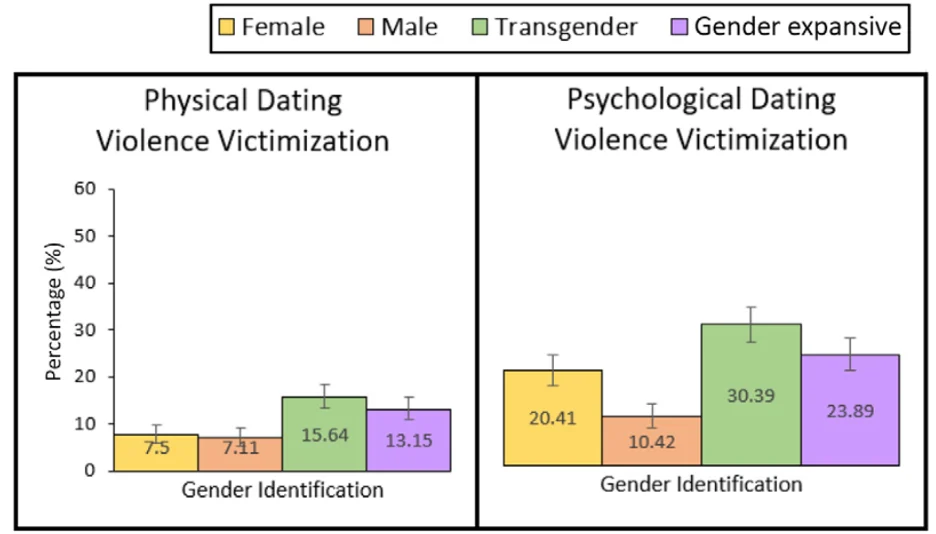
The Unseen Landscape of Transgender Dating
The necessity of centering trans experiences in the discourse on modern dating becomes starkly evident when examining the data. Research paints a concerning picture of heightened risks and systemic challenges. A pivotal 2021 study, for instance, revealed that trans youth are twice as likely as cisgender women to have experienced physical dating violence, and alarmingly, 50% more likely to have endured psychological dating violence. These statistics underscore an urgent need for targeted interventions and a deeper understanding of the dynamics at play within romantic and sexual relationships involving trans individuals. The violence experienced is not merely anecdotal but a documented pattern, reflecting broader societal biases and discrimination that permeate personal interactions.
Beyond physical and psychological harm, trans individuals frequently encounter other distressing commonalities in their dating journeys. A 2023 study illuminated experiences such as being fetishized and constantly having to contend with deeply ingrained assumptions about their identity. One participant, a trans woman, candidly shared, "Because I’m a trans woman, people instantly assume that I must be this massive bottom." Similarly, a trans man recounted feeling disconnected from potential partners, stating, "I just felt like they weren’t talking to me. They were talking to an idea they had about me." These testimonies highlight a pervasive issue where trans individuals are often reduced to stereotypes or preconceived notions, rather than being seen and engaged with as whole, complex people. This dehumanizing experience can erode trust, foster isolation, and make genuine connection incredibly difficult to achieve.
The Digital Divide: Disclosure and Safety on Dating Apps
The advent and ubiquity of dating applications have fundamentally reshaped how people meet and interact, presenting both opportunities and perilous pitfalls for transgender individuals. For many, these platforms are crucial gateways to finding partners in environments where face-to-face interactions might be limited or unsafe. However, the digital space also introduces unique challenges, particularly concerning personal safety and identity disclosure.
Other research has specifically investigated trans people’s decisions regarding disclosing their trans identity to prospective partners on dating apps. The findings indicate a predominant trend: most participants proactively and explicitly disclosed their identity. The driving force behind this upfront honesty was often a profound concern for their personal safety, ranging from potential emotional harm to outright physical violence. One genderfluid participant, residing in a rural area, articulated this constant apprehension, remarking that when meeting someone face-to-face from a dating app, they invariably thought, "that person could be the person that kills me." This chilling sentiment is a stark reminder of the existential threats many trans individuals navigate in their pursuit of intimacy. The fear is not abstract but rooted in the documented reality of anti-trans violence.
While explicit disclosure is common, some individuals opt for more nuanced or "softer" disclosure methods. These might involve strategically showcasing different facets of their identity through multiple profile pictures on apps that allow for such customization. This could include images that subtly signal their trans identity or align with specific aesthetic choices often associated with trans communities, allowing them to gauge potential partners’ receptiveness without an immediate, explicit declaration. This approach is a delicate balancing act, designed to filter out hostile individuals while still protecting their safety and emotional well-being. However, even these methods carry inherent risks, as they rely on the perceptive and non-prejudiced interpretation of others.
(Image: An example of using multiple profile photos on Tinder, illustrating a common strategy for profile customization.)
The design of dating apps themselves often falls short in adequately serving the trans community. Many platforms were initially built with a binary gender framework, only later attempting to integrate more inclusive options. Even with expanded gender identity choices, issues persist. Users report difficulties in finding partners who are genuinely respectful and understanding, often encountering cisgender individuals who are either ignorant, fetishistic, or outright hostile. The lack of robust filtering options for trans users to connect specifically with other trans people or with cis allies who are informed and affirming further exacerbates these challenges.
Intersectional Challenges: Heightened Risks for Marginalized Trans Communities
The experiences of trans individuals are far from monolithic. Vulnerability within the trans community is significantly compounded by intersecting identities, leading to disproportionately higher rates of violence and discrimination for certain groups. A 2021 study highlighted that BIPOC (Black, Indigenous, and People of Color), queer, and transfeminine individuals are most likely to have experienced dating violence. This intersectional disadvantage means that trans people who also belong to other marginalized groups face a magnified threat matrix, where systemic racism, homophobia, and transphobia converge to create uniquely dangerous circumstances.
Delving deeper into these intersectional experiences, a 2022 study specifically examined the dating lives of BIPOC trans women. This research uncovered a disturbing pattern where their cisgender male partners would frequently conceal their relationship from public view. This clandestine nature was driven by social stigma, often rooted in the partners’ fear of being "found out" or facing societal judgment for dating a trans woman. The consequences of this stigma for BIPOC trans women were severe, encompassing both physical violence and profound psychological trauma. As one woman powerfully articulated, "We getting killed just because of the guys here were scared that they secret would come out." This statement chillingly illustrates how the partners’ fear of social reprisal directly translates into existential threats for trans women.
In response to these pervasive dangers, BIPOC trans women in the study described developing sophisticated "survival strategies." These strategies included hypervigilance in their daily lives, meticulously choosing clothing to avoid being "found out" or targeted, and actively avoiding certain men or situations perceived as high-risk. Such constant vigilance and self-policing take an immense toll on mental health, fostering chronic anxiety, stress, and a pervasive sense of insecurity. It transforms the act of seeking connection into a continuous negotiation of personal safety, highlighting the profound inequities embedded within the modern dating landscape.
A Broader Lens: Historical Context and Societal Shifts
To fully grasp the contemporary challenges faced by trans individuals in dating, it is crucial to understand the broader historical and societal context. For centuries, transgender identities were largely invisible or pathologized within dominant Western societies, often leading to severe social ostracization, medical gatekeeping, and legal persecution. The relative increase in trans visibility in recent decades, while a significant step forward, has also paradoxically exposed trans individuals to new forms of scrutiny, misunderstanding, and backlash.
The late 20th and early 21st centuries saw a gradual, though often contested, shift in public discourse surrounding LGBTQ+ rights. Landmark events, such as the Stonewall Riots in 1969, ignited the modern gay rights movement, which slowly expanded to include trans issues. The internet and social media have played a dual role: providing platforms for trans people to connect, share experiences, and build community, but also exposing them to unprecedented levels of online harassment and misinformation. The rise of trans activism, coupled with increased media representation (though often imperfect), has brought trans lives into the mainstream consciousness, making the experiences discussed in these studies more visible, even as the underlying prejudices persist.
The evolution of dating itself also provides essential context. Pre-digital dating often relied on social circles, serendipitous encounters, or classified ads. The 1990s and early 2000s saw the emergence of online dating websites, which democratized access to potential partners but largely operated within heteronormative and cisnormative frameworks. The explosion of mobile dating apps in the 2010s further transformed this landscape, making dating more accessible, immediate, and geographically expansive. However, the initial design of many popular apps failed to adequately accommodate gender diversity, often forcing trans users to misgender themselves or navigate limited, binary options. While many apps have since introduced more inclusive gender identity selections, the underlying user base and prevailing social attitudes within these platforms often lag behind.
The current political climate, marked by a surge in anti-trans legislation across numerous countries and regions, further exacerbates the anxieties of trans individuals. Laws targeting trans healthcare, participation in sports, and even public accommodation rights send a clear message of rejection and discrimination. This hostile environment inevitably spills over into personal relationships, reinforcing prejudice and making it safer for perpetrators of violence to act with impunity, knowing that societal and legal systems may not adequately protect trans victims.
The Call for Change: Education, Technology, and Legal Reform
The authors of these various studies are not merely identifying problems; they are actively proposing multi-faceted remedies to create a safer and more equitable dating environment for trans individuals. These suggested solutions span across educational reform, technological improvements, and critical legal changes.
Firstly, a foundational remedy lies in comprehensive trans-inclusive education. This could manifest in various forms, including school curricula that teach about gender identity and diversity, sex education programs that are explicitly inclusive of trans experiences, and violence prevention training tailored to address the specific forms of dating violence trans people encounter. Such educational initiatives have been shown to be effective in fostering greater comfort and understanding among trans people and their partners. By demystifying gender identity and promoting empathy, these programs can dismantle harmful stereotypes and equip individuals with the knowledge to engage in respectful and affirming relationships. Organizations like The Trevor Project and GLSEN provide resources for inclusive education, emphasizing the importance of early intervention and consistent messaging across educational settings.
Secondly, dating app users themselves are advocating for significant improvements in platform functionality, particularly better filtering options. As one participant in the 2023 study expressed, "The majority of the interactions I have with cis men on dating apps are just shit, full stop . . . can I have less of them pop up?" This plea highlights a critical need for dating apps to evolve beyond basic gender selection. Features allowing users to filter by specific gender identities, to indicate their willingness to date trans individuals, or to block users who exhibit transphobic behavior would significantly enhance safety and user experience. Some apps have begun to implement more granular options, but widespread adoption and robust enforcement of anti-discrimination policies are still lacking across the industry. This responsibility falls squarely on the shoulders of tech companies to innovate with inclusivity at their core, moving beyond token gestures to create genuinely safe and welcoming digital spaces.
Finally, some study authors strongly recommend the prohibition of "trans panic defenses" in legal systems. These defenses, which have historically been used to justify violent crimes, allow perpetrators to argue that discovering their victim was transgender caused them a temporary loss of control, thereby mitigating their culpability. The American Bar Association has officially called for the abolition of these defenses, recognizing them as a dangerous legal loophole that effectively blames the victim for their own assault or murder. Banning trans panic defenses would send a powerful message that violence against trans individuals, under any pretext, is unacceptable and will be prosecuted to the fullest extent of the law. As of late 2023, several U.S. states have already banned such defenses, but a nationwide prohibition is crucial to ensure consistent justice and protection for trans communities.
Toward a Safer Future: Fostering Acceptance and Understanding
As transgender people achieve new levels of visibility in media, politics, and daily life, they are simultaneously facing unprecedented legislative attacks and social backlash. This paradox of increased visibility alongside heightened vulnerability underscores the critical importance of social science research in illuminating the realities of trans lives. The findings from these studies serve as a vital roadmap for creating a safer, less anxious future for trans individuals as they navigate the complexities of seeking romantic and sexual partners.
The implications of this research extend beyond the immediate context of dating. The experiences of trans individuals in dating reflect broader societal attitudes towards gender diversity, intimacy, and safety. Addressing the challenges in dating requires a holistic approach that includes fostering greater societal acceptance, dismantling systemic discrimination, and ensuring legal protections. This involves continued advocacy from LGBTQ+ organizations, education initiatives for the general public, and sustained pressure on policymakers and tech companies to prioritize inclusivity and safety.
Ultimately, the goal is to cultivate a world where trans people can pursue love, intimacy, and connection without fear of violence, fetishization, or discrimination. This vision necessitates a collective commitment to understanding, empathy, and justice, ensuring that the pursuit of happiness and human connection is a right afforded to everyone, regardless of their gender identity. The work of researchers like Leah Long and the collective efforts of advocates and allies are indispensable in moving society closer to this equitable future.