Jono Maryono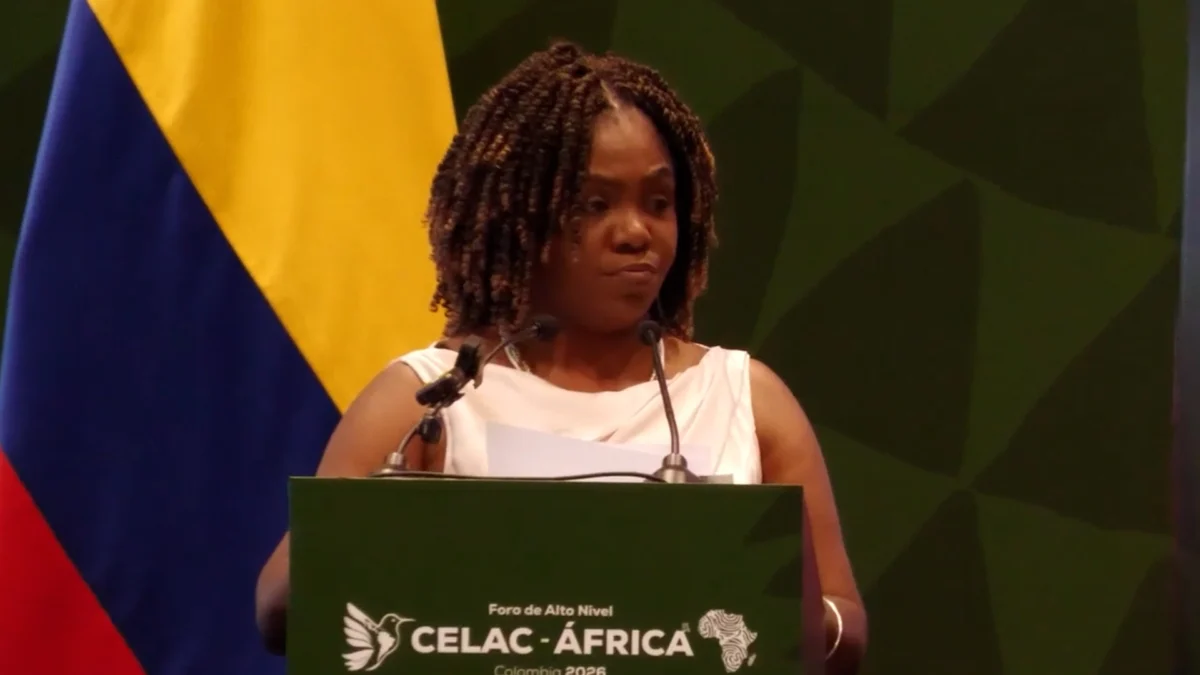
Colombia’s Vice President Francia Márquez has issued a powerful call for enhanced unity and collaboration among nations of the Global South, asserting that historical colonial practices have deliberately fragmented these regions, hindering their collective growth and influence. Speaking at an event on March 22, 2026, Márquez emphasized the urgent need for Latin America and Africa, in particular, to forge stronger bonds to overcome shared challenges, stimulate economic development, and effectively challenge persistent colonial legacies that continue to shape their global standing.
The Imperative for Intercontinental Solidarity
Márquez’s address, delivered with a tone of resolute conviction, underscored a sentiment increasingly echoed across developing nations: that true progress and self-determination can only be achieved through mutual support and a unified front on the international stage. The Vice President’s remarks come at a critical juncture, as many countries in the Global South grapple with economic disparities, the lingering effects of historical exploitation, and the need to assert their voices in a global order still largely dominated by established powers.
"Colonialism did its job of isolating us," Márquez stated, highlighting how imposed borders and engineered divisions have historically prevented the natural synergy and cooperation that could have fostered greater prosperity and resilience. She articulated a vision where Latin America and Africa, two continents with profound historical and cultural connections, could become powerful engines of growth and innovation through strategic partnerships. This vision extends beyond mere economic exchange; it encompasses shared knowledge, technological transfer, and a coordinated approach to addressing global issues such as climate change, poverty, and inequality.
Historical Context: The Shadow of Colonialism
The legacy of colonialism in both Latin America and Africa is a complex and enduring one. For centuries, European powers extracted vast resources, disrupted indigenous social structures, and imposed political and economic systems designed to benefit the colonizers. This period of exploitation left deep scars, including underdeveloped infrastructure (often geared towards resource extraction rather than internal development), entrenched social hierarchies, and economies heavily reliant on the export of raw materials with fluctuating global prices.
In Latin America, the colonial era, spanning from the 16th to the early 19th centuries, led to the establishment of vast empires and the subjugation of indigenous populations. Post-independence, many nations inherited political instability, economic dependency on former colonial powers, and persistent social inequalities. The African continent experienced a more concentrated period of colonization in the late 19th and early 20th centuries, leading to the arbitrary division of the continent into colonial territories, the disruption of traditional governance systems, and the establishment of economies focused on serving the industrial needs of European nations.
Márquez’s call directly addresses the ongoing ramifications of these historical injustices. The "isolation" she speaks of is not merely geographical but also economic and political. The lack of robust intra-regional trade, limited investment in shared infrastructure, and fragmented diplomatic efforts have, in many ways, perpetuated a cycle of dependency and limited the collective bargaining power of these nations in international forums.
A Call for Action: Strengthening Latin America-Africa Ties
The specific emphasis on Latin America and Africa is not coincidental. These two regions share a common historical narrative of being on the receiving end of colonial exploitation and continue to face similar developmental challenges. Both are rich in natural resources, possess vibrant cultural heritage, and are home to significant populations yearning for greater economic opportunity and self-determination.
Márquez’s proposed solutions likely revolve around several key areas:
- Enhanced Trade and Investment: Facilitating greater movement of goods and capital between Latin American and African nations. This could involve preferential trade agreements, joint investment funds, and initiatives to promote entrepreneurship and value-added production within both continents. For instance, data from the United Nations Conference on Trade and Development (UNCTAD) in recent years has shown that while trade between Africa and Latin America is growing, it still lags significantly behind trade with Europe and Asia, indicating substantial untapped potential.
- Technological and Knowledge Exchange: Sharing best practices in sectors such as agriculture, renewable energy, healthcare, and education. Collaborative research and development initiatives could accelerate innovation and address specific regional needs. The potential for leapfrogging in certain technological sectors, bypassing intermediate stages of development, is a significant opportunity.
- Diplomatic Coordination: Presenting a more unified voice on the global stage. This could involve coordinated voting in international bodies like the United Nations, collaborative approaches to debt relief, and joint advocacy for reforms in global financial institutions that better reflect the needs of developing countries.
- Cultural and Educational Partnerships: Strengthening ties through student exchange programs, joint cultural festivals, and academic collaborations to foster mutual understanding and a shared sense of identity. This is crucial for breaking down any lingering prejudices or misconceptions that may have been perpetuated by colonial narratives.
Supporting Data and Emerging Trends
The economic rationale for closer ties is supported by demographic and economic trends. Africa’s population is projected to double to over 2.5 billion by 2050, representing a massive and growing consumer market. Similarly, Latin America boasts a significant and dynamic population with increasing purchasing power.
- Intra-regional Trade: According to African Development Bank reports, intra-African trade currently stands at around 15% of the continent’s total trade, a figure significantly lower than in Europe or Asia. Similarly, intra-Latin American trade has faced challenges, though initiatives like Mercosur have aimed to boost it. Márquez’s call suggests leveraging these existing frameworks and creating new ones to specifically link the two continents.
- Resource Complementarity: Latin America and Africa are rich in diverse natural resources, including minerals, agricultural products, and energy sources. However, the value chain often ends with raw material export. Joint ventures could focus on processing these resources domestically, creating jobs and increasing export revenues. For example, Latin America could offer expertise in agricultural processing, while Africa could provide raw materials for certain industries.
- Demographic Dividend: Both continents have a young and growing population, which can be a significant economic asset if harnessed through education, job creation, and entrepreneurship. Collaboration could focus on developing educational curricula and vocational training programs tailored to the needs of these burgeoning workforces.
Reactions and Broader Implications
Márquez’s statement is likely to resonate deeply with leaders and citizens across both Latin America and Africa. While specific official reactions may take time to materialize, it is reasonable to infer that such a call would be met with encouragement from governments and civil society organizations advocating for South-South cooperation.
- Potential for New Alliances: This initiative could lead to the formation of new economic blocs or strengthen existing ones, potentially shifting global economic and political balances. The rise of China and India as global economic powers has already demonstrated the potential for non-Western nations to forge new partnerships. A more cohesive Latin America-Africa axis could further diversify global economic relationships.
- Challenging Global Inequalities: A united Global South is better positioned to advocate for reforms in international financial institutions, such as the International Monetary Fund (IMF) and the World Bank, which critics argue often reflect the interests of developed nations. A stronger collective voice could push for more equitable trade policies and debt relief mechanisms.
- Cultural Renaissance: Beyond economics, stronger ties could foster a renaissance of shared cultural understanding and expression, reclaiming narratives that were often suppressed or distorted during the colonial era. This could lead to a richer tapestry of global cultural exchange.
The Road Ahead: From Rhetoric to Reality
The challenge, as with any ambitious geopolitical vision, lies in translating rhetoric into tangible action. The historical legacy of isolation and the complexities of international relations present significant hurdles. However, Vice President Márquez’s clear and impassioned call serves as a vital catalyst, reigniting the conversation about the immense potential that lies in the strategic unification of the Global South. As nations in Latin America and Africa navigate the complexities of the 21st century, embracing their shared heritage and forging new pathways of cooperation may prove to be the most effective strategy for achieving sustainable development, genuine self-determination, and a more equitable global order. The journey towards overcoming the enduring "job" of colonialism – its legacy of division and underdevelopment – has just received a powerful new impetus.