Prabowo Widodo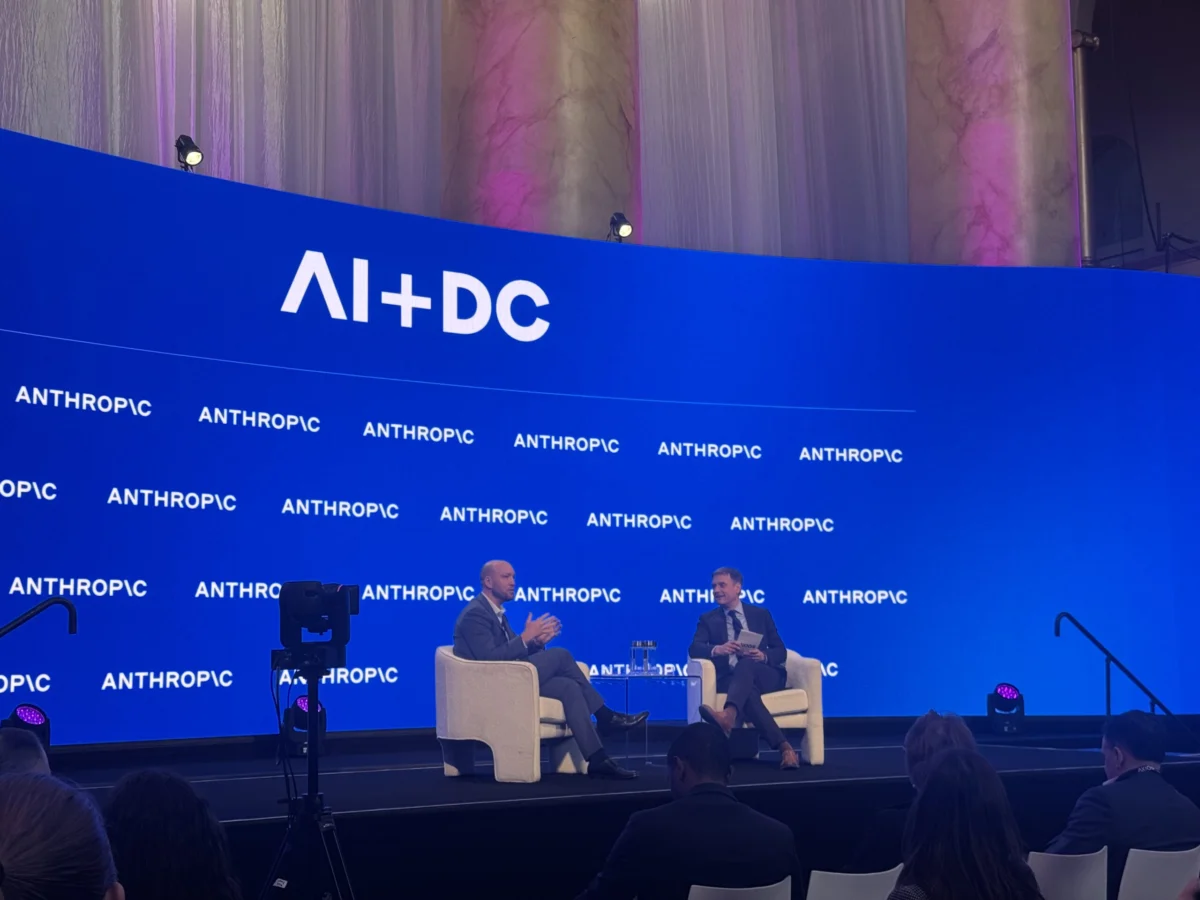
Anthropic, a leading artificial intelligence safety and research company, has released its fifth economic impact report, offering a complex and evolving perspective on AI’s influence on global employment. The latest research suggests that while AI is undeniably accelerating changes in workplace dynamics and efficiency, it has not yet led to a significant, widespread elimination of jobs. This current stability, however, is coupled with explicit warnings from Anthropic’s leadership about the potential for rapid and profound disruption in the near future, particularly impacting younger workers and exacerbating existing socioeconomic disparities.
Peter McCrory, Anthropic’s head of economics, articulated this nuanced view during an interview conducted on the sidelines of the prominent Axios AI Summit in Washington, D.C. He described the current labor market as "still healthy," noting that the expected waves of AI-driven job displacement have not yet materialized on a broad scale. The report, which analyzed various sectors and worker demographics, found little empirical evidence of widespread job losses attributable directly to AI adoption.
Current State: Stability Amidst Underlying Currents
A central finding of Anthropic’s report is the surprising lack of a "material difference in unemployment rates" between workers whose primary job functions are highly exposed to AI automation and those in roles less susceptible to such influence. Specifically, the study compared occupations like technical writers, data entry clerks, and software engineers—roles where AI tools such as Anthropic’s Claude can automate core tasks—with jobs requiring "physical interaction and dexterity with the real world." Despite the theoretical susceptibility of the former, their unemployment rates remain largely on par with the latter, at least for now.
This apparent equilibrium, McCrory suggests, is largely due to the early stage of AI integration. While models like Claude possess capabilities that could revolutionize numerous tasks, most users are currently "only scratching the surface of those capabilities." Adoption patterns show that many businesses and individual users are still in an exploratory phase, leveraging AI for enhancement and augmentation rather than outright replacement. The report indicates that AI is being utilized for specific, often repetitive or analytical tasks, allowing human workers to focus on more complex, creative, or interpersonal aspects of their roles. For instance, a software engineer might use Claude to generate boilerplate code or debug, rather than having their entire role automated. Similarly, a technical writer might use it for initial drafts or grammar checks, significantly boosting productivity without eliminating the need for human oversight and nuanced communication.
The Looming Horizon: Rapid Displacement on the Cusp
However, this current stability is not projected to last indefinitely. The report, and statements from Anthropic’s leadership, paint a stark picture of what could unfold in the coming years. Dario Amodei, CEO of Anthropic, has previously issued a sobering forecast, suggesting that AI could "wipe out half of all entry-level white-collar jobs" and potentially push unemployment rates as high as 20% within the next five years. This dramatic shift is anticipated as AI models become more sophisticated, their integration deeper, and user proficiency more widespread.
McCrory echoed this concern, emphasizing the speed at which these changes could manifest. "Displacement effects could materialize very quickly," he told TechCrunch, highlighting the urgent need for proactive measures. This urgency underscores why Anthropic is so invested in establishing robust "monitoring frameworks" to track AI’s economic impact in real-time. The goal is to "catch it as it’s happening and ideally identify the appropriate policy response" before the labor market experiences severe shockwaves. Such frameworks would likely involve tracking AI adoption rates across industries, analyzing job posting data, monitoring skill requirements, and assessing real-world productivity shifts.
The importance of continuously tracking AI growth, adoption, and diffusion is paramount, McCrory stressed. Understanding how AI is being integrated—from simple task automation to complex cognitive assistance—is crucial for predicting its future impact. Anthropic’s methodology for this report involved identifying roles with tasks that AI excels at, that are already seeing automation trends, and that are tied to actual workplace use cases. These areas are considered the most likely early indicators of where significant displacement could emerge.
Uneven Impacts and the Deepening Skills Divide
Beyond the aggregate employment figures, Anthropic’s report sheds light on a more immediate and concerning trend: the emergence of a growing skills gap. The study found a distinct disparity between "earlier Claude adopters" and newcomers to AI tools. Early adopters, often leveraging AI in more sophisticated ways, are deriving significantly more value from the model. They are utilizing it not merely for casual or one-off tasks but for core work-related functions, treating AI as a "thought partner" for iterative processes, brainstorming, and feedback cycles. This advanced engagement translates into tangible productivity gains and a competitive edge in their respective fields.
Conversely, newcomers or less proficient users often struggle to unlock AI’s full potential, limiting their use to basic queries or simple automation. This creates a widening chasm in capabilities and, consequently, in workplace value. McCrory’s findings suggest that AI is rapidly becoming a technology that disproportionately rewards those who already possess the skills and foresight to integrate it effectively into their workflows. This means that workers who can seamlessly incorporate AI into their daily tasks—from data analysis to content creation—will increasingly have a significant advantage in the labor market. This trend risks creating a new class of "AI-fluent" professionals who outpace their less tech-savvy counterparts, potentially leading to increased wage inequality and career stagnation for those left behind.
Geographic and Socioeconomic Disparities Amplified
The uneven distribution of AI’s benefits extends beyond individual skill levels to broader geographic and socioeconomic divides. The report explicitly states that "Claude is used more intensely in high-income countries, within the U.S. in places with more knowledge workers, and for a relatively small set of specialized tasks and occupations." This finding challenges the often-touted promise of AI as a great equalizer, a technology capable of democratizing access to information and tools globally. Instead, current adoption patterns suggest the opposite: AI is predominantly being embraced and optimized in wealthier regions and by segments of the workforce already positioned advantageously.
In the United States, this translates to higher AI utilization in major technology hubs and metropolitan areas with a high concentration of knowledge-based industries. Countries with robust digital infrastructure, significant investment in R&D, and a highly educated workforce are leading the charge. This concentrated adoption risks amplifying existing economic advantages, as "power users" in these privileged demographics pull further ahead. For developing nations or regions within developed countries lacking access, infrastructure, or the necessary skills training, the AI revolution could further entrench disparities, widening the global digital divide and creating new forms of economic exclusion.
Contextualizing the Report: Anthropic’s Ongoing Commitment
Anthropic’s fifth economic impact report is part of a sustained effort by the company to understand and responsibly manage the societal implications of advanced AI. Founded by former members of OpenAI, Anthropic has consistently prioritized AI safety and ethical development, making its economic assessments particularly significant. The Axios AI Summit, where McCrory shared insights, is a key platform for discussions on AI’s future, bringing together policymakers, industry leaders, and researchers to address the technology’s rapid advancements and their broader impact. This annual summit serves as a crucial forum for companies like Anthropic to present their findings and engage in dialogue about responsible AI governance.
The fact that this is the "fifth" such report highlights Anthropic’s commitment to longitudinal tracking of AI’s economic footprint. Previous reports likely established initial methodologies, tracked early adoption trends, and refined predictive models, building towards the more detailed and nuanced findings presented today. This ongoing monitoring is essential, particularly given the unprecedented speed of AI development compared to past technological revolutions. Historical parallels, such as the Industrial Revolution or the advent of the internet, demonstrate that technological shifts, while ultimately beneficial, often entail periods of significant labor market disruption, necessitating proactive policy responses.
Looking ahead, the upcoming TechCrunch event in San Francisco, scheduled for October 13-15, 2026, will likely provide another significant opportunity for Anthropic and other AI leaders to further discuss these findings, explore potential solutions, and engage with a wider audience of innovators, investors, and policymakers. Such forums are vital for fostering collaborative approaches to mitigate risks and harness AI’s potential for broad societal benefit.
Implications and Policy Considerations
The findings from Anthropic’s report carry profound implications for policymakers, educators, and industry leaders alike. The warning of rapid displacement, coupled with the observed skills and geographic disparities, necessitates immediate and strategic action.
- Education and Reskilling Initiatives: A fundamental re-evaluation of educational curricula is required, focusing on developing skills that complement AI, such as critical thinking, creativity, problem-solving, and emotional intelligence. Robust reskilling and upskilling programs must be implemented for adult workers, particularly those in roles most vulnerable to automation. These programs need to be accessible, affordable, and aligned with future job market demands.
- Social Safety Nets: The potential for widespread unemployment, even if temporary, calls for strengthening social safety nets. Discussions around universal basic income (UBI) or other forms of income support may become more central to policy debates as a means to cushion the impact of large-scale job transitions.
- Ethical AI Deployment and Governance: Regulatory frameworks for AI deployment must prioritize fairness, transparency, and accountability. Policies should aim to prevent the exacerbation of existing inequalities and ensure that the benefits of AI are distributed more equitably across society. This includes addressing algorithmic bias and ensuring that AI tools are designed and implemented in ways that augment human capabilities rather than simply replacing them.
- Investment in Research and Monitoring: Continued investment in research like Anthropic’s is crucial for understanding the evolving landscape. Governments and international bodies should collaborate to establish global monitoring frameworks that provide real-time data on AI’s impact on employment, productivity, and skill requirements.
- Regional Development: Targeted interventions are needed to support regions and communities that may be disproportionately affected by AI-driven job displacement. This could involve attracting new industries, investing in digital infrastructure, and fostering local innovation ecosystems.
While the immediate impact of AI on job elimination remains statistically muted, Anthropic’s latest report serves as a critical early warning. The observed trends—the deepening skills gap, the concentration of benefits in high-income areas, and the stark predictions from its leadership—underscore a future where AI’s transformative power could reshape the global labor market with unprecedented speed. Proactive monitoring, strategic investment in human capital, and thoughtful policy development are essential to navigate this impending shift and ensure that the AI revolution leads to a more prosperous and equitable future for all, rather than widening existing divides.