Ronny Sianturi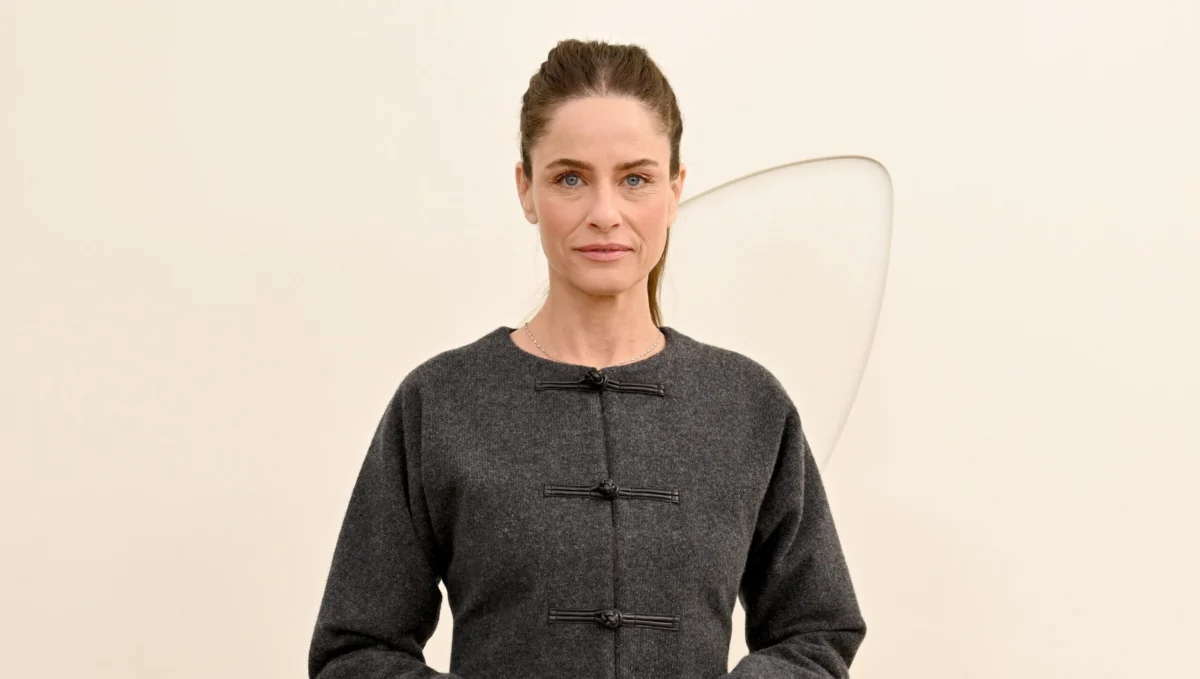
In a deeply personal and candid essay published in The New Yorker, acclaimed actress Amanda Peet has shared her recent diagnosis with breast cancer. The revelation comes as Peet navigated a period of profound personal loss, with both of her parents in hospice care. The actress detailed the emotional and physical journey of her diagnosis, highlighting the complex interplay between her personal health battle and the critical condition of her family.
A Season of Diagnosis and Loss
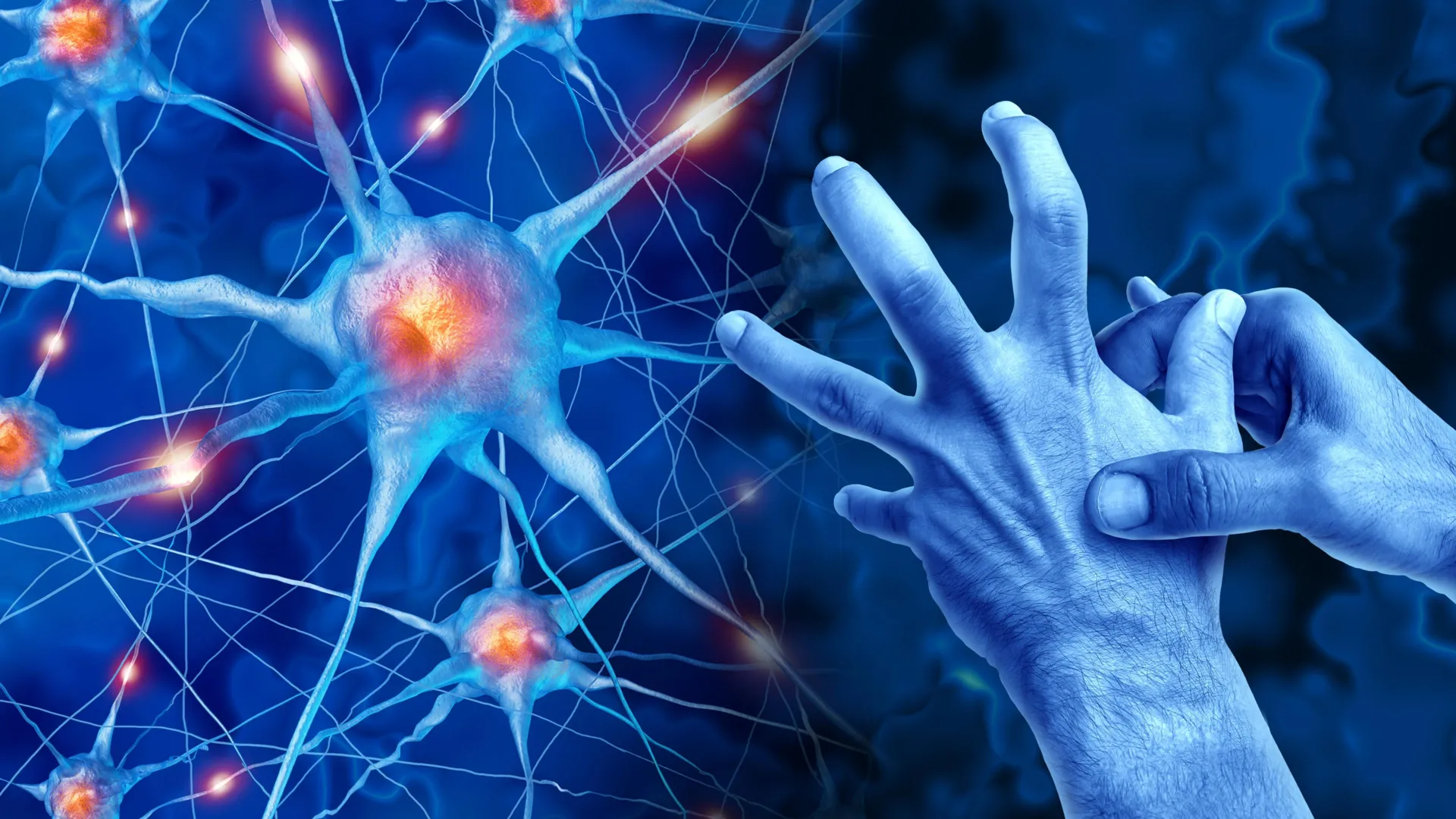
Peet’s essay, titled "My Season of Ativan," provides an intimate look into the period leading up to and following her diagnosis. She began by reflecting on her close relationship with her mother, a bond characterized by open communication. "So it was strange not to tell her, last fall, that I’d been diagnosed with cancer," Peet wrote, underscoring the unusual circumstances that prevented her from sharing this significant news with her mother directly. Her mother, who had been a confidante for many years, was in the final stages of Parkinson’s disease, a condition that significantly impacted her cognitive abilities and her capacity to process such news.
The actress described a history of receiving medical advisories about her breast density. "For many years, I’ve been told that I have ‘dense’ and ‘busy’ breasts – not as a compliment but as a warning that they require extra monitoring," she explained. This proactive medical monitoring, involving bi-annual checkups with a breast surgeon, ultimately led to the discovery of the cancer. A routine scan performed the Friday before Labor Day took an unexpected turn. Peet recounted how her doctor, Dr. K., typically chatty during examinations, became silent, her attention drawn to an anomaly on the ultrasound. A subsequent biopsy was recommended. "After the procedure, she said that she would walk the sample over to Cedars-Sinai and hand-deliver it to Pathology. That’s when I knew," Peet shared, conveying the immediate dread that accompanied this crucial detail.
The Initial Shock and Developing Timeline
The preliminary report arrived the following day, offering a glimmer of hope intertwined with uncertainty. The tumor was initially described as small, but an MRI was scheduled for after the holiday weekend to ascertain "the extent of disease." Further crucial information was to be revealed on the subsequent Tuesday: the receptor status of the cancer, which indicates its aggressiveness. Dr. K. used a relatable analogy to explain this, stating, "It’s like dogs. You have poodles on one end and, on the other, pit bulls." This classification would be instrumental in determining the treatment strategy.
The news of her diagnosis coincided with a cascade of family emergencies. Peet revealed that her sister contacted her with news of their father’s rapidly declining health. "My sister called: our father was about to die. Our parents, long divorced, were both in hospice, on opposite coasts. Our mother’s had started in June, but our father’s was only a week in, so we hadn’t expected him to go first," she wrote. This revelation added another layer of profound stress to an already overwhelming period.
Peet acknowledged that she did not arrive in time to witness her father’s final moments. "I did not make it before my father took his last breath, but I got to see his body before it was taken from his apartment," she stated. The experience of seeing her deceased father was emotionally complex, marked by an absence of tears that she attributed to the overwhelming circumstances. "I felt guilty for not crying, but at least I got a reprieve from guessing how much longer I had to live," she confessed, a stark reflection of the anxieties plaguing her.
The actress noted that while one might expect a flood of memories upon a parent’s death, her mind was consumed by her own health concerns. "As soon as my dad’s corpse was out of sight, I was free to panic about my cancer again," she admitted, illustrating the intrusive nature of her diagnosis amidst profound grief.
Navigating Family and Treatment
The challenge of communicating her father’s death to their mother presented another emotional hurdle. Peet and her sister debated the best approach, given their mother’s diminished capacity to comprehend complex information due to her Parkinson’s. "My sister and I toyed with the idea of telling her that our dad had died, but it was impossible to gauge how much she could comprehend," Peet explained. Their interactions had become increasingly brief and simplified, with Peet resorting to delivering "positive, bite-size updates" about her life.
A crucial turning point in Peet’s personal health journey came with an update from her doctor. A text message from Dr. K. delivered the welcome news: "All poodle features!" This meant her breast cancer was considered treatable and less aggressive. While this brought immense relief, it was temporary. "I was happier than I’d been pre-diagnosis, when I was just a regular person who didn’t have cancer. But after about ten minutes I remembered that I still needed the MRI and regressed to baseline terror," she confessed. The medical process, she observed, unfolded in a "slow drip" of information.
The diagnostic process continued, revealing a second mass in the same breast. This necessitated an MRI-guided biopsy, a procedure Peet described as being performed "while you’re inside the big white imaging doughnut." The uncertainty lingered, with the doctor stating it was "fifty-fifty whether or not there was more cancer."
A Path to Healing and Reflection
Two days later, the news brought significant relief: the second mass was benign. This meant Peet would only require a lumpectomy and radiation, avoiding the more aggressive treatments of a double mastectomy or chemotherapy. This positive development paved the way for Peet and her husband to inform their children about her diagnosis.
In January, approximately two weeks after receiving her "first clear scan," Peet received another difficult call. A hospice nurse advised her to contact the mortuary, informing her that her mother was expected to pass within days. The nurse noted that many find it difficult to make funeral arrangements in the immediate aftermath of a loved one’s death.
Peet’s essay concludes with a poignant reflection on her final moments with her mother. She described sitting with her, uncertain if her mother recognized her or if she was merely a collection of indistinct shapes. She offered a familiar greeting, "howdy doodle," a phrase her mother often used. However, she soon realized that their communication had transcended words. "Time was running out, and, besides, I had already told her everything," Peet wrote, a profound statement that encapsulates the depth of their connection and the acceptance of their shared history.
Broader Implications and Support Systems
Amanda Peet’s courageous decision to share her breast cancer diagnosis highlights the ongoing importance of awareness and early detection. According to the American Cancer Society, breast cancer is the most common cancer among women worldwide, with an estimated 2.3 million new cases diagnosed in 2020. The society also emphasizes that "dense breasts" can make mammograms harder to read and are associated with a slightly increased risk of breast cancer. Peet’s experience underscores the critical role of regular screenings and diligent medical follow-up, particularly for individuals with risk factors such as dense breast tissue.
The actress’s narrative also sheds light on the immense emotional toll that serious health diagnoses can take, especially when compounded by familial crises. The societal expectation to maintain composure while navigating personal trauma and grief is a significant burden. Peet’s willingness to express her feelings of guilt and panic offers a relatable portrayal of these complex emotions, potentially offering solace and validation to others facing similar challenges.
The outpouring of support from friends and family, as described by Peet, is a testament to the power of a strong support network. However, her experience also implicitly raises questions about how best to communicate difficult news to individuals with cognitive impairments, a common challenge for families caring for loved ones with conditions like Parkinson’s disease. The decision not to inform her mother about her own diagnosis, to shield her from further distress, is a deeply personal one that many families can relate to.
The Path Forward
Peet’s diagnosis and subsequent treatment plan – a lumpectomy and radiation – represent a hopeful prognosis. The "poodle features" of her cancer indicate a more favorable outcome and a higher likelihood of successful treatment. This news is a significant reprieve from the initial fear and uncertainty that often accompanies a cancer diagnosis.
Her essay serves as a powerful reminder that even in the face of profound personal adversity, resilience and honesty can pave the way for healing. By sharing her story, Amanda Peet not only sheds light on her own journey but also contributes to a broader conversation about cancer, family, and the human capacity to endure and find strength amidst life’s most challenging circumstances. The actress’s experience underscores the importance of open dialogue about health issues and the invaluable role of personal narrative in fostering understanding and connection.